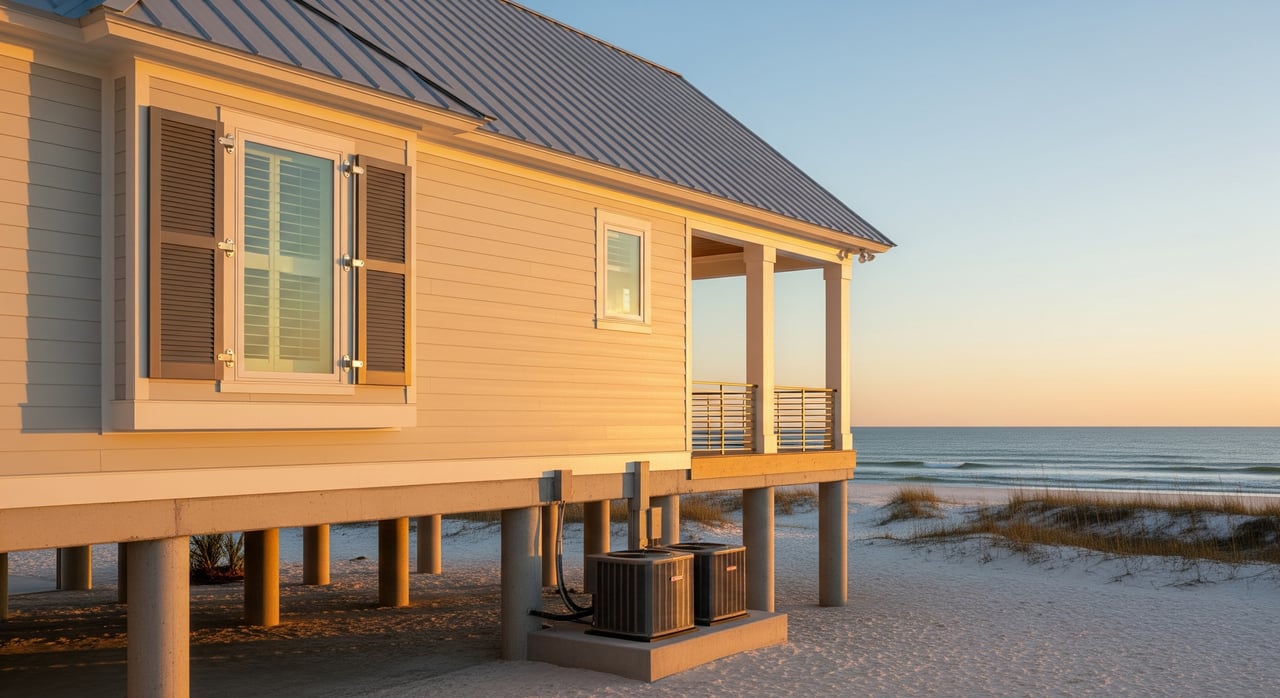
Buying in Pensacola means thinking about sunshine, surf, and storms. If you are eyeing an older home or anything near the coast, your insurer will likely bring up two inspections: a wind mitigation and a 4-point. That can feel confusing when you are just trying to get to closing. This guide breaks each one down, shows when you need them in Escambia County, and explains how the results can affect your insurance, timeline, and negotiations. Let’s dive in.
Wind mitigation vs. 4-point: what’s the difference
Wind mitigation and 4-point inspections serve different purposes, and most buyers benefit from both in the Florida Panhandle.
- Wind mitigation focuses on how well the home is built to handle wind. Inspectors document features like roof shape, roof-to-wall connections, roof deck attachment, opening protection, and secondary water resistance. Insurers use the report to calculate potential credits. Learn the basics from InterNACHI’s wind mitigation overview.
- A 4-point inspection reviews four major systems: roof, electrical, plumbing, and HVAC. The goal is to identify age, condition, and obvious risks that matter to underwriting on older homes. See what’s covered in InterNACHI’s 4-point guide.
Think of wind mitigation as a way to potentially reduce the wind portion of your premium, while a 4-point helps insurers decide if the home is insurable in its current state.
When each is requested in Pensacola
You will see both inspections more often in our market because Escambia County sits on the Gulf, where wind exposure is high. Local insurers lean on documentation to manage wind and aging-system risks.
- Wind mitigation: Often requested when issuing a new policy or at renewal, and sometimes by lenders as part of proof of insurance in high-risk areas. The report can unlock credits on the wind premium if the home has qualifying features. You can review statewide context on wind credits through the Florida Office of Insurance Regulation and Citizens Property Insurance resources.
- 4-point: Commonly required for homes around 25 to 30 years old or more, or any property showing age-related issues. Insurers use it to decide if repairs are needed before binding coverage.
If you are buying anything pre-2002 in Pensacola, plan for both inspections early in your contingency window.
Why Florida’s building code updates matter
Florida strengthened building codes after Hurricane Andrew, with major code cycles in the 2000s and beyond. Homes built to newer versions generally perform better in wind events, so age of construction matters when you interpret inspection results. For background on code evolution and wind design, explore the Florida Building Commission.
How the findings affect insurance and closing
Wind mitigation results can lower your premium if you have credit-worthy features. The exact discount depends on the carrier’s credit schedule and the combination of features found, such as roof deck attachment, roof-to-wall connections, and opening protection. Not every feature is required to see a benefit, and the size of the credit varies by insurer.
A 4-point can trigger very different outcomes. Insurers might require repairs, exclude certain systems, raise the premium, or deny coverage if a major risk is present. Common red flags include:
- Roofs at or beyond useful life or with active leaks
- Obsolete or hazardous electrical panels or wiring
- Problematic plumbing materials or active leaks
- HVAC systems at end of life or unsafe to operate
Because lenders require proof of hazard insurance at closing, 4-point findings can directly impact your timeline and costs. If coverage is denied or conditioned on repairs, you may need to negotiate fixes or credits with the seller, find a different carrier, or accept higher premiums. Each option can affect your closing plan.
What to expect in Pensacola homes
Our coastal climate and age mix create predictable patterns:
- Roof-to-wall connections: Many older homes use toe-nailed connections rather than metal straps or clips. Retrofitting is sometimes possible. The wind mitigation report will note the type found.
- Roof deck attachment: Older roofs may have larger nail spacing or older fasteners. Upgrades are often part of a full roof replacement.
- Opening protection: Impact-rated windows or code-compliant shutters are less common in pre-2000 homes. Adding proper protection can be a larger investment that often earns meaningful wind credits.
- Secondary water resistance: Some older roofs lack a compliant underlayment. Your report will document whether a qualifying SWR is present.
- Salt air exposure: Roofs and exterior systems can age faster near the coast, which is relevant to both wind mitigation and 4-point outcomes.
For local hazard awareness and storm planning, use Escambia County Emergency Management and check your property’s flood risk via the FEMA Flood Map Service Center.
Smart inspection timeline
To prevent last-minute surprises, line up inspections as soon as you go under contract.
- Day 0 to 2: Inform your agent and insurance contact that you will order a general home inspection, a wind mitigation, and a 4-point.
- Day 3 to 7: Schedule combined inspections. Many local pros can bundle wind mitigation and 4-point, and deliver reports within 24 to 72 hours.
- Day 7 to 10: If the reports show insurer concerns, get contractor estimates right away and ask your insurance contact for carrier-specific guidance.
- Before contingency expires: Use the findings to request repairs, credits, or a price adjustment. If the roof is near an insurer’s age limit, ask about a roof certification from a licensed roofer.
Choosing a qualified inspector
Florida insurers often require specific credentials for both report types. Before you schedule, confirm with your intended carrier which inspector licenses they accept.
- Look for Florida-licensed home inspectors or licensed contractors with wind mitigation and 4-point experience, ideally in Pensacola and Escambia County.
- Ask for sample reports with labeled photos and clear notes, such as “ring-shank nails at 6 inches on center.”
- Confirm professional liability or E&O coverage.
- Check training and standards references like ASHI’s Standards of Practice and InterNACHI’s wind mitigation overview.
If you need to verify past permits or roof replacements, search county records or ask your inspector to help you locate documentation. Start with Escambia County’s building services and be aware that older records can be incomplete.
Costs and turnaround in Escambia County
Pricing varies by property size and provider, but in Florida you will commonly see:
- Wind mitigation: about $75 to $250
- 4-point: about $75 to $250
- Bundled wind + 4-point: often $150 to $400
Most inspectors can deliver reports within one to three days. During hurricane season or high-demand weeks, schedule as early as possible to protect your contingency timeline.
Use results to negotiate confidently
Your inspection reports are powerful negotiating tools. Consider these strategies:
- Prioritize safety and insurability: If the 4-point flags an insurer-unacceptable condition, request repairs or a credit tied to a documented estimate.
- Roof decisions: For roofs near insurer age thresholds, a roof certification from a licensed roofer can sometimes satisfy underwriting concerns. Ask your insurance contact whether a certification would help with the specific carrier.
- Value wind upgrades: If the report shows missing wind protections, price out options. Impact-rated shutters or clips may generate credits on the wind premium and add long-term resilience.
- Compare carriers: Premium credits and underwriting rules vary, especially in coastal areas. Share the reports with your insurance contact and request multiple quotes.
Quick reference: who needs what
- Buying a pre-2002 home in Pensacola: Order both wind mitigation and 4-point early.
- Buying newer construction: Wind mitigation can still be worthwhile for credit documentation. A 4-point may not be required, but carriers set their own rules.
- Waterfront or coastal exposure: Expect insurers to scrutinize roof age, roof attachment, and opening protection.
Local context that supports your choices
Pensacola’s Gulf exposure raises wind risk and the value of resilient construction. Statewide programs and carriers recognize this through mitigation credits and stricter underwriting on aging systems. For background on mitigation discounts and underwriting in Florida, review the Florida Office of Insurance Regulation and Citizens Property Insurance. For code context relevant to wind design and roof requirements, the Florida Building Commission provides statewide resources. To understand site-specific flood and surge risk, start with the FEMA Flood Map Service Center.
Ready to move forward with confidence? Lean on local inspectors and insurance contacts, and use your reports to protect your closing timeline and long-term costs.
If you want a Pensacola-based team to help you plan inspections, coordinate insurance conversations, and negotiate repairs, reach out to Avenue Realty to Schedule a Free Home Consultation. Our advisors work the full Florida Panhandle and nearby Alabama coast, and we are happy to connect you with vetted local inspectors and roofers.
FAQs
What is the difference between wind mitigation and a 4-point inspection?
- A wind mitigation documents wind-resilient features for potential premium credits, while a 4-point assesses the age and condition of roof, electrical, plumbing, and HVAC for underwriting on older homes.
When do Pensacola insurers require a 4-point inspection?
- Many carriers require a 4-point before issuing coverage on homes roughly 25 to 30 years old or older, or when visible aging suggests higher risk.
Can a wind mitigation inspection lower my insurance automatically?
- Not automatically; the report documents features that may earn credits and the actual discount depends on your insurer’s credit schedule and the features found.
What 4-point problems most often delay closing in Escambia County?
- Old or leaking roofs, obsolete electrical panels or wiring, problematic plumbing, and end-of-life HVAC systems are the most common underwriting issues.
How does Florida’s building code age affect my results?
- Newer code cycles generally improved wind performance, so newer builds often score better on wind mitigation, while older homes may need upgrades to qualify for credits.
Should I bundle my wind mitigation and 4-point inspections?
- Yes, many local inspectors offer bundled pricing and faster turnaround, which helps you get quotes and negotiate within your contingency period.
How do I confirm my inspector’s credentials are accepted?
- Ask your intended insurer what licenses or certifications they accept, and review recognized standards from ASHI or InterNACHI if you need a reference.
Where can I check local risk and permits in Escambia County?
- For hazard awareness, see Escambia County Emergency Management; for flood mapping, use FEMA’s map portal; for permits, start with Escambia County building services.