Falling for a sunlit East Hill bungalow is easy; knowing how to inspect and renovate it the right way takes a plan. If you love the neighborhood’s porches, tall windows, and tree‑lined streets, you also know older homes deserve a closer look. In this guide, you’ll learn which inspections matter most in East Hill, where to watch for higher‑cost repairs, how historic rules shape exterior projects, and how to budget with confidence. Let’s dive in.
Why East Hill homes are unique
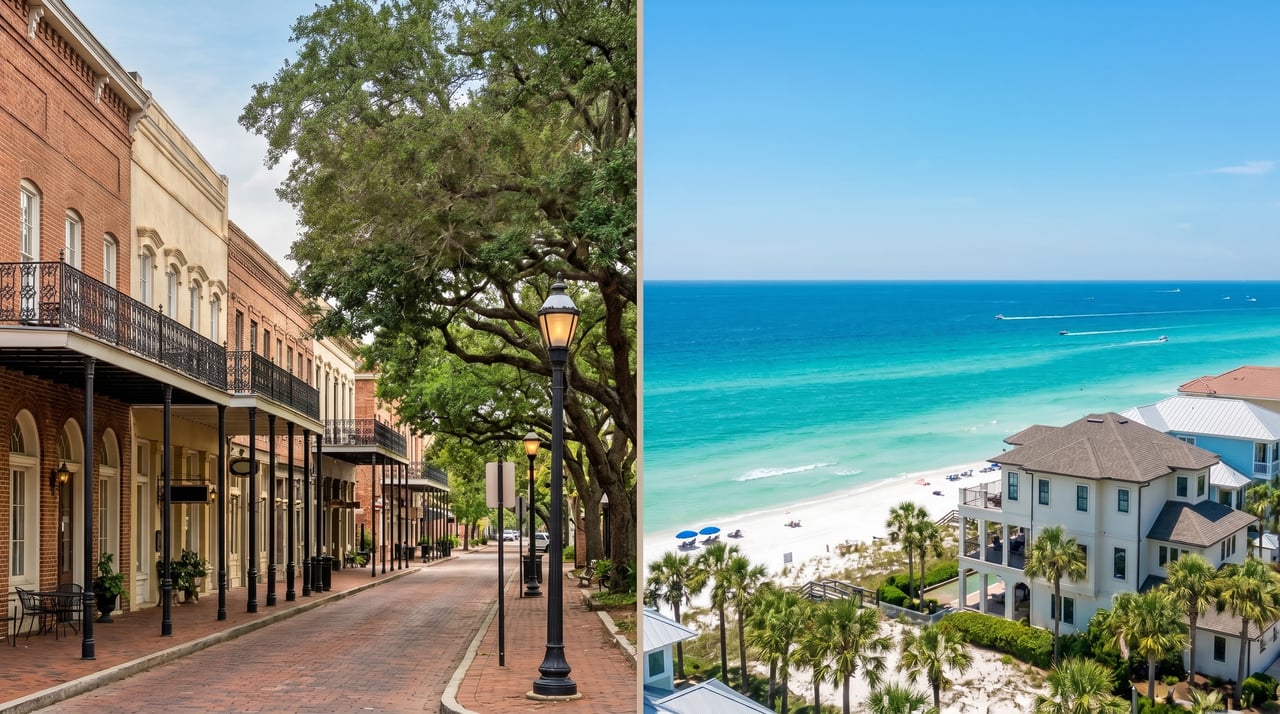
East Hill is one of Pensacola’s historic neighborhoods, with homes dating back to the late 19th and early 20th centuries. You’ll see Craftsman bungalows, Queen Anne and vernacular styles, and thoughtful infill that adds to the character. For background on the area’s history and style mix, explore the neighborhood association’s overview of Old East Hill. Visit the Old East Hill neighborhood overview.
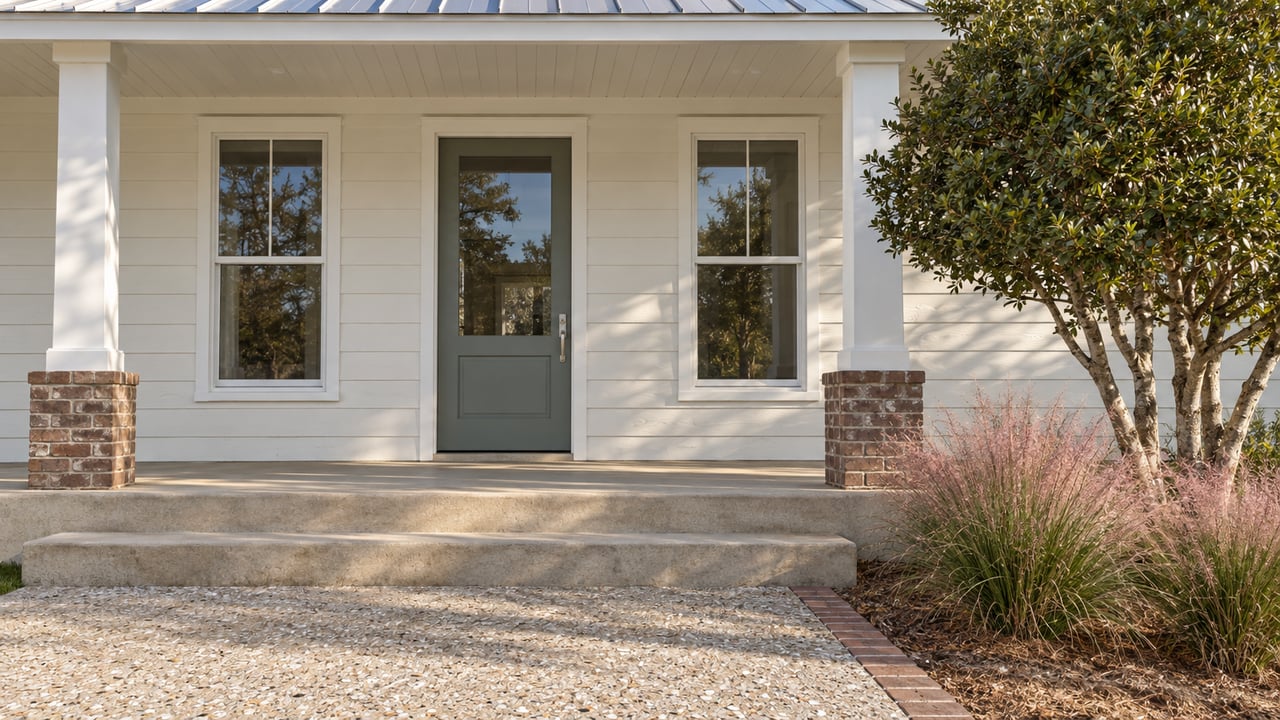
Parts of the neighborhood sit inside the City of Pensacola’s Old East Hill preservation district. Exterior changes in this district go through an Architectural Review Board process that sets materials and design guidelines. Before you plan siding, window, porch, or addition work, read the city’s Preservation District Design Guidelines. Expect preferences for wood siding, porch details, brick piers with wood lattice, and historically compatible windows.
Many older East Hill homes rest on pier‑and‑beam or raised foundations. That makes crawl spaces accessible for inspection but also raises the stakes for moisture, wood rot, and termite activity. Planning inspections that match these conditions will save you time and surprises.
Essential East Hill inspections
Standard home inspection
Start with a full buyer’s inspection that reviews the structure, roof, plumbing, electrical, HVAC, and interior finishes. In Florida, typical base inspections for single‑family homes are often priced in the low hundreds. Add targeted inspections for older systems so you are not relying on guesswork. Your general inspector can help you prioritize follow‑ups based on what they see.
WDO termite report (Florida)
Order a wood‑destroying organism inspection on any older East Hill home, especially those with crawl spaces and abundant wood framing. In Florida, official WDO reports for real estate must be performed by licensed pest control operators and issued on state Form FDACS‑13645. Lenders often ask for this report, and it documents active or prior activity and visible damage. Learn what a formal WDO entails from the Florida rules. Review the Florida WDO inspection rules.
4‑Point for insurance
Many Florida carriers require a 4‑Point inspection on homes about 30 to 40 years old and up. It reviews the roof, electrical, plumbing, and HVAC for underwriting. If you plan to finance or want access to the private insurance market, expect to provide this to your insurer. See how insurers use 4‑Points statewide. Read about the Florida 4‑Point inspection.
Wind mitigation credits
A wind‑mitigation inspection documents hurricane‑resistant features like roof deck attachment, roof‑to‑wall connections, and opening protections on the state OIR‑B1‑1802 form. These reports are affordable and can lower the wind portion of your premium, especially if the roof was recently replaced or retrofitted. If the home has newer roofing or shutters, this is a smart add‑on. Learn how wind‑mit reports work in Florida. See a guide to wind mitigation inspections.
Sewer scope and plumbing
In mature neighborhoods with big oaks, older lines can have root intrusion or deterioration. A camera scope of the main sewer lateral helps you avoid emergency digs and backups right after closing. Prices are often in the low hundreds and can be bundled with other plumbing checks. Get a feel for typical scope pricing. View a quick overview of plumbing camera inspections.
Structural engineer check
If your inspector notes sloping floors, stair‑step cracks, sagging beams, or significant moisture damage, bring in a licensed structural engineer. The engineer can diagnose the cause, outline a repair plan, and provide the documentation a lender or insurer may request. Fees vary based on scope, but this is the money you spend to avoid the biggest surprises.
Lead, asbestos, and mold
For homes built before 1978, consider lead‑based paint testing if you plan to disturb painted surfaces. Any renovation that could impact lead‑painted materials should follow EPA RRP lead‑safe practices and use certified firms. Florida humidity and raised foundations can also mask moisture issues, so consider mold testing if there are visible signs or musty odors. Read about required work practices for older homes. Learn more about the EPA’s RRP program.
ARB approvals and permits
Inside the Old East Hill preservation district, many exterior changes require Architectural Review Board approval and city permits. The city guidelines outline what needs full review versus abbreviated review, and they list preferred materials. Plan your timeline to include design, submittal, ARB review, and contractor scheduling. If you are buying, ask for documentation of past permits and approvals so unpermitted work does not impact your insurance or resale.
Budget for common fixes
Use these planning ranges for older East Hill homes. Actual bids will vary with scope, access, and historic details.
- Roof replacement (asphalt architectural): typically about $8,000 to $16,000 for full replacement in Florida markets. Hidden deck or underlayment rot can add cost.
- Termite treatment and damage repair: treatment often lands in the low thousands; damage repairs can range from about $1,000 to $10,000 for typical cases, higher for severe structural work.
- Electrical upgrades: panel upgrades from 100 to 200 amps often run around $1,000 to $3,000; full‑house rewiring can reach $15,000 to $30,000 depending on size and access.
- Plumbing repipe and sewer lateral: whole‑house repipes commonly range from roughly $4,000 to $12,000; sewer repairs vary widely from about $2,000 to $10,000 or more.
- HVAC replacement: central A/C replacements often fall around the mid‑$3,000s to $8,000 depending on tonnage and system type.
- Foundation and pier‑and‑beam repairs: localized pier or beam work can be a few thousand, while major stabilization or underpinning can reach $10,000 to $30,000 or more.
- Mold remediation: small jobs can be under $2,000; medium to larger remediation often ranges from $2,000 to $15,000 or more depending on area and materials.
For planning, many buyers set aside 3 to 6 percent of the purchase price for immediate post‑inspection fixes on an older home. If you are doing a larger renovation, add a 10 to 20 percent contingency to the project budget. This cushions surprises and ARB‑related adjustments.
Insurance and flood checks
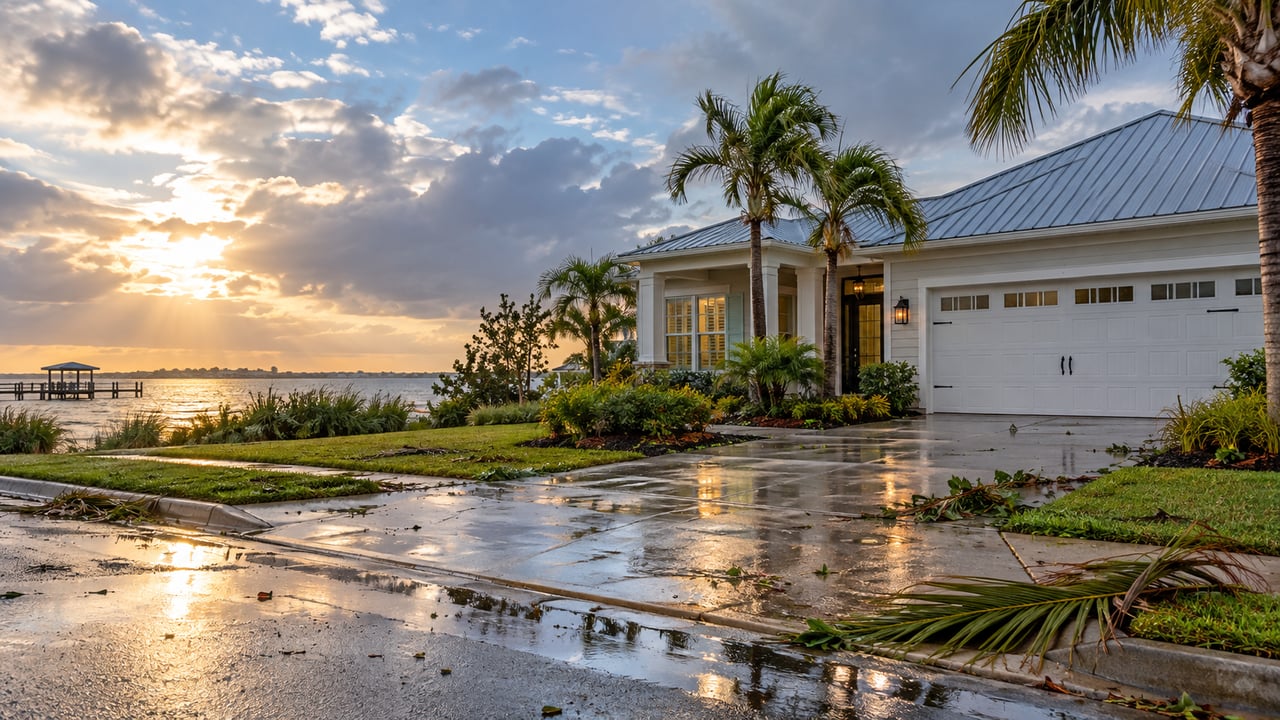
Flood risk varies across East Hill, especially near the bay and bayous. Before you commit, look up the address on FEMA’s map viewer to confirm flood zone and whether the property is in a Special Flood Hazard Area. If it is, ask for any elevation certificate and understand lender flood insurance requirements. Search your address on the FEMA Flood Map Service Center.
Florida’s property insurance market is dynamic, and older homes face tighter underwriting. Many carriers request 4‑Point and wind‑mitigation reports and will price policies based on roof age and hurricane‑resistant features. The Florida Office of Insurance Regulation publishes consumer guidance and market updates that are helpful during due diligence. Read the OIR’s latest consumer guidance on Florida property insurance.
Your due diligence checklist
Work through this list during your inspection period to stay organized and reduce risk.
- Order a formal WDO inspection and get the full state report. Save any treatment and repair invoices.
- Request the city permit history and any ARB approvals for exterior work. Confirm that additions, roofs, and system upgrades were permitted.
- Ask for roof details, including age and any invoices that show hurricane‑rated underlayment or attachment methods.
- Schedule a sewer camera scope, especially if the lot has mature trees or the home predates modern lines.
- Bundle a 4‑Point and wind‑mitigation inspection for insurance quotes. Share reports with your agent or carrier early.
- If the home predates 1978, line up lead testing or plan for EPA RRP lead‑safe practices during renovation.
- If structural concerns arise, bring in a licensed structural engineer and secure written contractor estimates before negotiating repairs.
- Check FEMA flood maps and ask the seller about any elevation certificates, prior flood claims, and recent storm‑related repairs.
Negotiation options if inspections reveal issues:
- Ask the seller to complete specific repairs with licensed contractors and permits, or request a credit at closing based on written estimates.
- Set escrow holdbacks or firm timelines tied to ARB approvals when exterior work is involved.
Who to hire and when
Bring the right specialists into your process and verify credentials.
- Licensed home inspector: start here to identify priorities and additional tests.
- FDACS‑licensed WDO inspector: required for official termite reports used in transactions.
- Structural engineer: needed when structural movement or framing damage is suspected.
- Licensed electrician, plumber, and HVAC contractor: required for major system work and permits. Verify state licenses on the DBPR portal. Check licenses via MyFloridaLicense (DBPR).
- Wind‑mitigation inspector: order if the roof is newer or to qualify for discounts.
- Lead‑safe certified renovator or abatement firm: required when disturbing painted surfaces in pre‑1978 homes.
Make confident offers in East Hill
With the right inspections, a clear view of ARB rules, and realistic budgets, you can buy a historic East Hill home with confidence. Focus your due diligence on wood framing, crawl‑space moisture, roof age, plumbing lines, and insurance documentation. Pair that with a smart renovation plan that respects the district’s character and your timeline.
If you want a local game plan tailored to a specific address, our team is here to help you coordinate inspectors, review permits, and price renovations with the neighborhood in mind. Reach out to Avenue Realty to start your East Hill search or prep your home for market.
FAQs
What inspections do I need for a historic East Hill home?
- Start with a full home inspection, then add a WDO termite report, a 4‑Point for insurance, a wind‑mitigation inspection, a sewer scope, and specialist checks like structural or lead testing as the home’s age and condition suggest.
How does the Old East Hill ARB affect my renovation?
- If the property is in the preservation district, exterior changes like siding, windows, porches, additions, and some roof or foundation work often require ARB review and city permits; plan your timeline and materials accordingly.
Do I need flood insurance in East Hill?
- It depends on the property’s flood zone and your lender; check the address on FEMA maps, request any elevation certificate, and get quotes early to budget accurately.
What is a Florida 4‑Point inspection and why is it asked for?
- A 4‑Point reviews the roof, electrical, plumbing, and HVAC for underwriting on older homes; many Florida carriers require it to issue or renew a policy.
Who can perform a WDO (termite) inspection for a real estate purchase?
- In Florida, only licensed pest control operators can perform official real estate WDO inspections and issue the state report used by lenders and insurers.