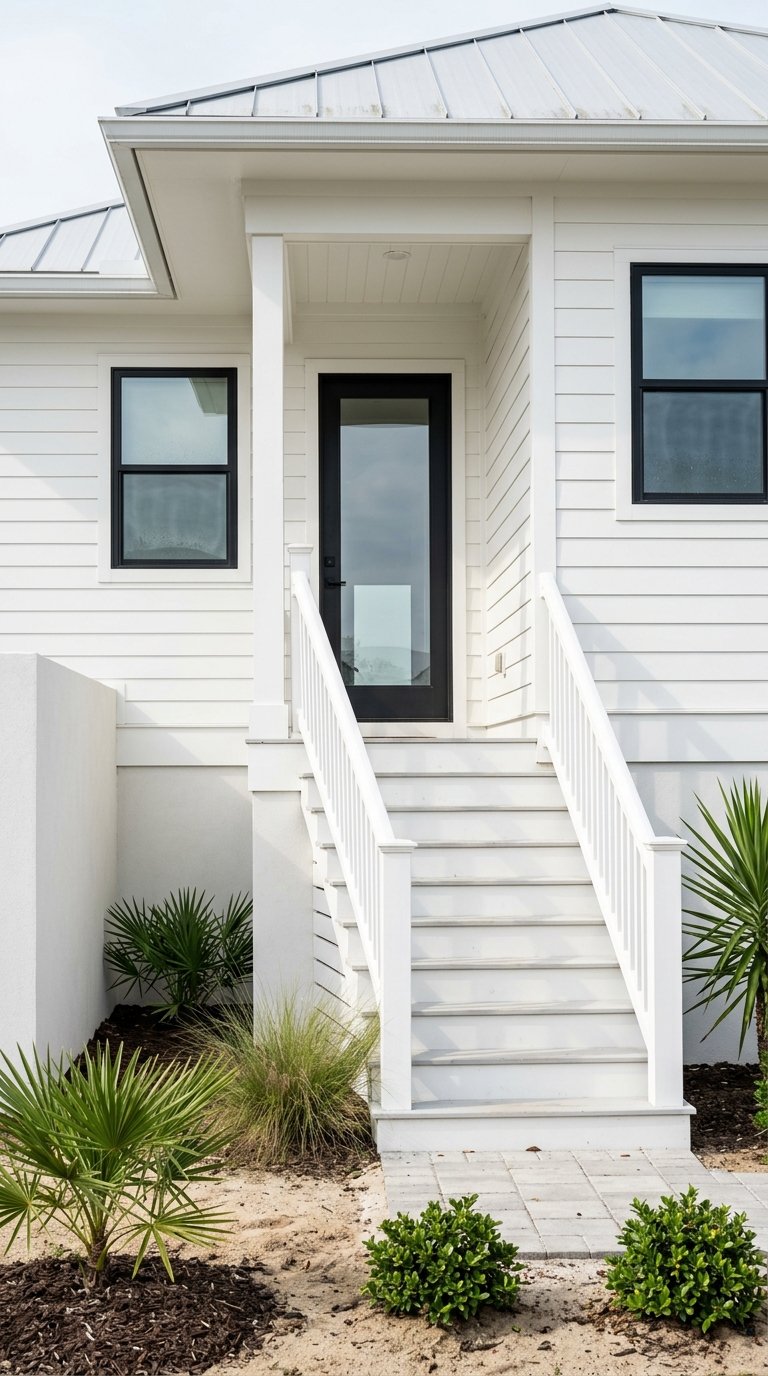
If you have been dreaming about owning on Pensacola Beach, one question matters more than almost any other: Will this be your full-time home or your getaway place? That choice affects your taxes, financing path, carrying costs, and even how you plan for storms and beach-specific rules. If you want a clearer way to think through the decision, you are in the right place. Let’s dive in.
Why Pensacola Beach ownership stands apart
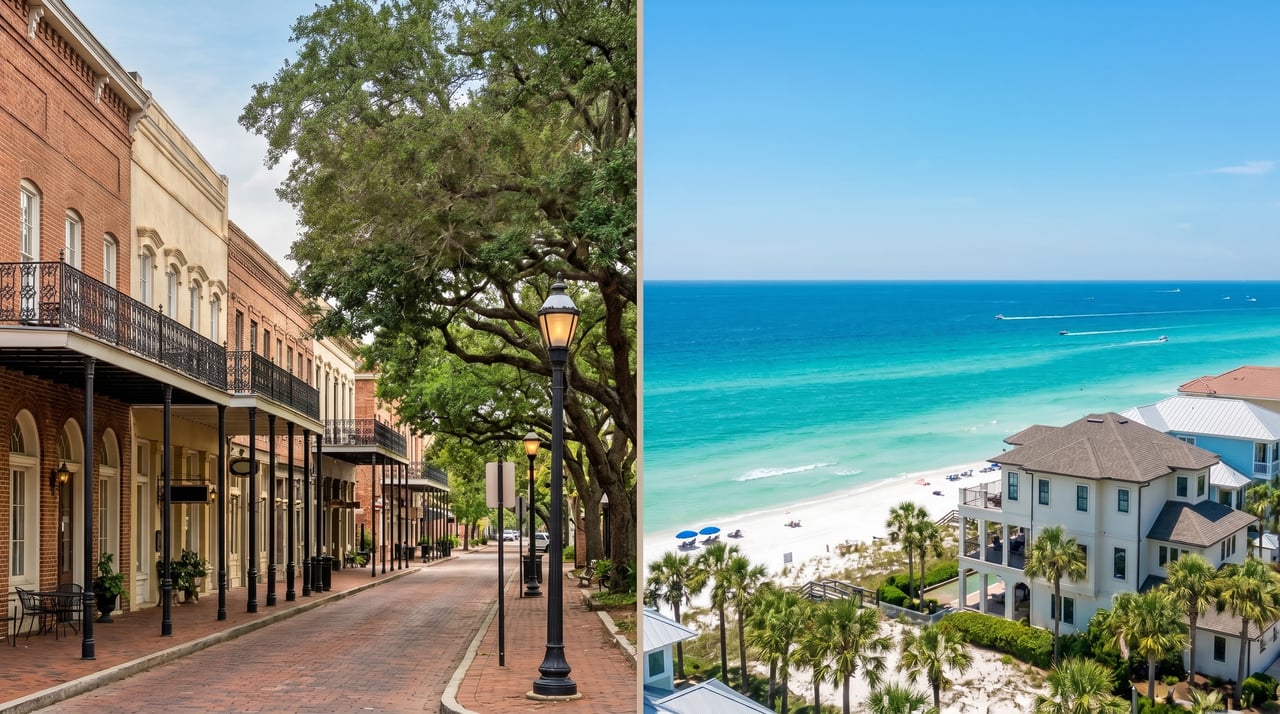
Pensacola Beach is not just another coastal neighborhood. According to the Santa Rosa Island Authority, it is a barrier island with a strong residential community and a busy seasonal visitor pattern, which gives ownership here a different rhythm than an inland suburb.
That matters because your day-to-day experience includes more than the home itself. Escambia County maintains public areas on the island and supports major events and beach operations, so owners live within an active tourism and events setting, not a quiet, closed-off resort model.
There are also recurring island-specific costs to know upfront. Per Escambia County’s beach access information, the Bob Sikes Bridge toll is $1, the public annual pass is $20, and homestead residents can buy up to two $5 passes.
Beach living also comes with practical rules. The county’s surf-warning flag system uses green, yellow, red, and double-red flags, and swimming or wading is prohibited during double-red conditions. The county also notes that items left on the sandy Gulf beach from sunset to sunrise can be removed under the Leave No Trace ordinance.
Primary residence benefits on Pensacola Beach
If you plan to live on Pensacola Beach most of the year, a primary residence setup can offer meaningful advantages. The biggest one is usually the Florida homestead exemption.
The Florida Department of Revenue states that the homestead exemption can reduce taxable value by as much as $50,000. Escambia County also makes clear that you may have only one permanent residence at a time, so this benefit is tied to a true full-time home, not a part-time beach retreat.
For many buyers, this creates a stronger long-term cost profile. If you qualify for homestead and also use the homestead resident bridge-pass option, the savings can add up over time, especially if you are commuting on and off the island regularly.
Timing matters too. Initial homestead applications are due by March 1 of the assessment year, so if this is part of your plan, it should be on your moving checklist early.
Full-time living means full-time coastal planning
A full-time home on the beach can be rewarding, but it also comes with year-round ownership responsibilities. Coastal compliance is one of the biggest differences.
Escambia County’s sea turtle lighting guidance requires wildlife-friendly lighting for lights visible from the marine beach. Existing properties have until January 1, 2028, to comply, and sea turtle nesting season runs from May 1 through October 31.
If you own beachfront property, the county asks owners to turn off exterior lights after dusk and close blinds at night during nesting season. That does not make ownership harder, but it does mean your home choice and future update budget should reflect beach-specific rules.
When a second home makes more sense
For some buyers, Pensacola Beach works best as a personal retreat rather than a primary address. If you want a place for long weekends, holidays, and seasonal stays, a second home can be the right fit.
Fannie Mae says a second home must be a one-unit property that you occupy for part of the year, that is suitable for year-round use, under your exclusive control, and not a rental property or timeshare. A management agreement that controls occupancy is not allowed.
In plain terms, that means a true getaway property is centered on your personal use. If your plan depends heavily on rental income or a third party controlling occupancy, the property may not fit second-home logic.
The tradeoff is cost. Once a home is not your primary residence, it generally loses the homestead tax advantage, so you should expect higher carrying costs than a homesteaded property.
Budget for vacancy and seasonal upkeep
A second home often looks simple on paper, but vacancy can create extra costs. If you are away for stretches of time, you may need regular maintenance checks, storm prep support, and careful insurance planning.
Pensacola Beach is still an active island community throughout the year. As noted by Escambia County Public Works, public spaces and island operations continue year-round, so your ownership plan should account for event traffic, weather shifts, and ongoing property care even when you are not in town.
Renting changes the equation fast
Many buyers ask whether they can enjoy the property personally and also rent it out occasionally to help cover costs. That is where your ownership strategy needs to get much more precise.
Florida treats rentals of living or sleeping accommodations for six months or less as taxable transient rentals. According to the state’s transient rental tax guidance, Escambia County’s current layers total 12.5%, made up of 6% state sales tax, 1.5% discretionary surtax, and 5% local transient rental tax, before any platform or management fees.
There is also licensing and local compliance. Florida’s vacation rental license packet requires a DBPR online account, a Florida sales tax number or proof of exemption, rental-unit addresses, and other application materials. Escambia County also requires a Business Tax Receipt for businesses operating in the county.
This is why it helps to separate three different goals:
- Primary residence: You live there full time and want homestead benefits.
- Second home: You use it personally and do not rely on it as a rental property.
- Rental-oriented property: You are prepared for licensing, tax collection, and added operations.
If you expect frequent short-term rentals, that may point more toward an investment-style decision than a clean second-home setup. Fannie Mae’s guidance is especially important here because a second home must not be a rental property.
Insurance and flood risk deserve early attention
For many buyers, the biggest hidden variable is not the mortgage. It is insurance and flood exposure.
FEMA states that most homeowners insurance does not cover flood damage, which is especially important on a barrier island. Its Flood Map Service Center is the official public source for flood-hazard information, making it a smart place to check early in your search.
Escambia County also offers a property lookup tool that lets you check hurricane evacuation zone information by address. Before you make an offer, it is wise to verify both the flood zone and evacuation zone so you understand risk, insurance implications, and seasonal planning needs.
FEMA has also documented flood-mitigation work on Pensacola Beach homes, which reinforces a simple point: flood risk here is real, not theoretical. Buyers who prepare early usually make better decisions and avoid last-minute surprises.
Hurricane season shapes ownership
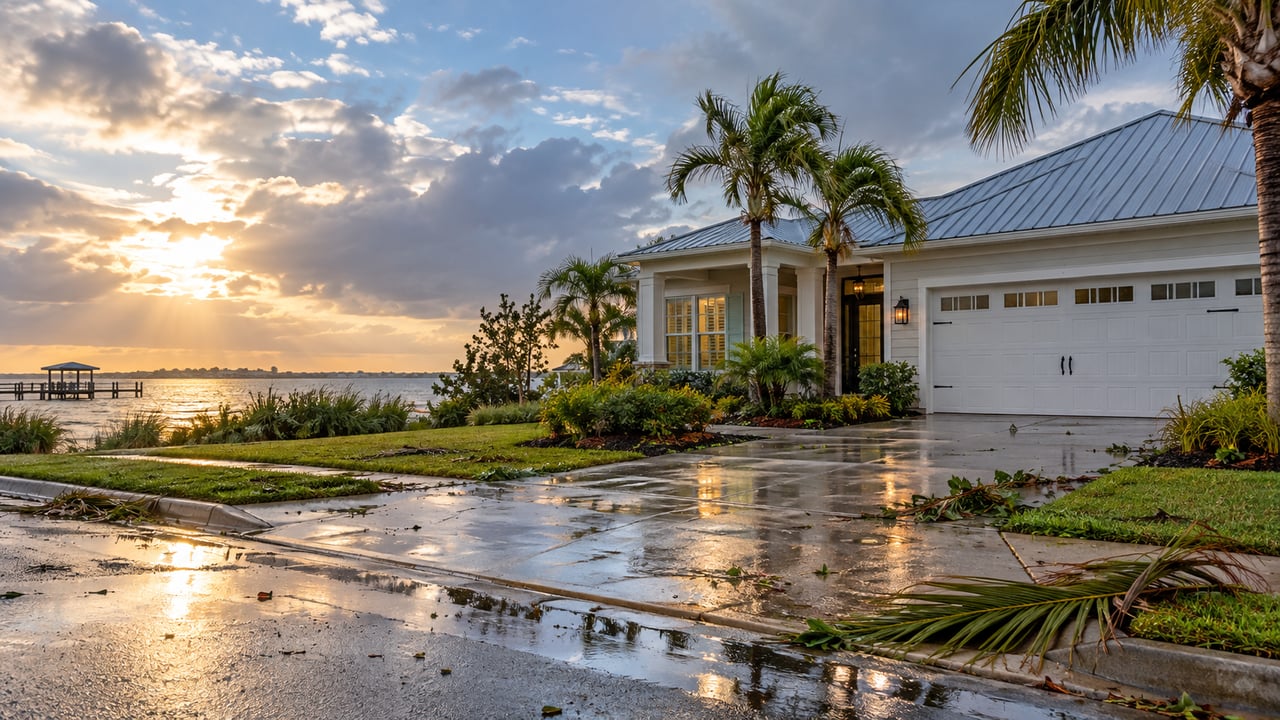
On Pensacola Beach, weather planning is part of ownership whether you live there full time or visit occasionally. NOAA says the Atlantic hurricane season runs from June 1 through November 30, with the climatological peak from August through October.
That seasonal rhythm affects how you shop for insurance, plan maintenance, and think about vacancy. A full-time resident may prioritize daily livability and year-round systems, while a getaway owner may focus more on remote monitoring, storm prep support, and securing the home between visits.
A simple way to choose your ownership model
If you are deciding between primary residence and getaway use, start with how you will actually live in the home, not just how the listing looks online. The right answer usually becomes clearer when you match the property to your real habits and budget.
Here is a practical framework based on the rules and costs above:
Choose a primary residence if...
- You plan to live on Pensacola Beach most of the year.
- You want to pursue the Florida homestead exemption.
- You value lower ongoing costs tied to homestead benefits and resident bridge-pass discounts.
- You are comfortable handling year-round island living and beach-specific compliance.
Choose a second home if...
- You want a personal beach retreat for part of the year.
- You can carry the property without depending on rental income.
- You want exclusive personal use and a simpler lifestyle setup than a rental operation.
- You understand that carrying costs may be higher without homestead benefits.
Think investment logic if...
- You plan to rent the home frequently.
- You need rental income to make the numbers work.
- You are ready for taxes, licensing, and ongoing compliance.
- You want to build a strategy around income, operations, and occupancy rules.
The bottom line for Pensacola Beach buyers
Pensacola Beach can work beautifully as a full-time home or as a private getaway, but the smartest path depends on how you plan to use it after closing. Homestead benefits, bridge-pass savings, rental rules, flood exposure, and seasonal planning all affect the real cost of ownership.
If you want help comparing options, evaluating a specific address, or narrowing your search to properties that fit your goals, Avenue Realty can help you make a confident, well-informed move along the Gulf Coast.
FAQs
Can you homestead a Pensacola Beach home you only use part of the year?
- Usually no. Florida homestead benefits apply to your permanent residence, and Escambia County says you may have only one permanent residence at a time.
What makes Pensacola Beach ownership different from an inland home?
- Pensacola Beach ownership comes with barrier-island factors like bridge tolls and passes, beach safety rules, coastal lighting requirements, event traffic, flood exposure, and hurricane-season planning.
Can a Pensacola Beach second home also be a rental property?
- Not under a clean second-home model. Fannie Mae says a second home must not be a rental property, so frequent rental use may fit investment-property logic better.
What taxes apply to Pensacola Beach short-term rentals?
- For rentals of six months or less, the current Escambia County total is 12.5%, combining 6% state sales tax, 1.5% discretionary surtax, and 5% local transient rental tax.
What should you verify before offering on a Pensacola Beach house?
- Check the address-specific flood zone, hurricane evacuation zone, likely insurance costs, bridge-pass implications, and whether the property may need wildlife-friendly lighting compliance or other beach-related updates.
When is hurricane season for Pensacola Beach homeowners?
- NOAA says the Atlantic hurricane season runs from June 1 through November 30, with the peak typically falling between August and October.