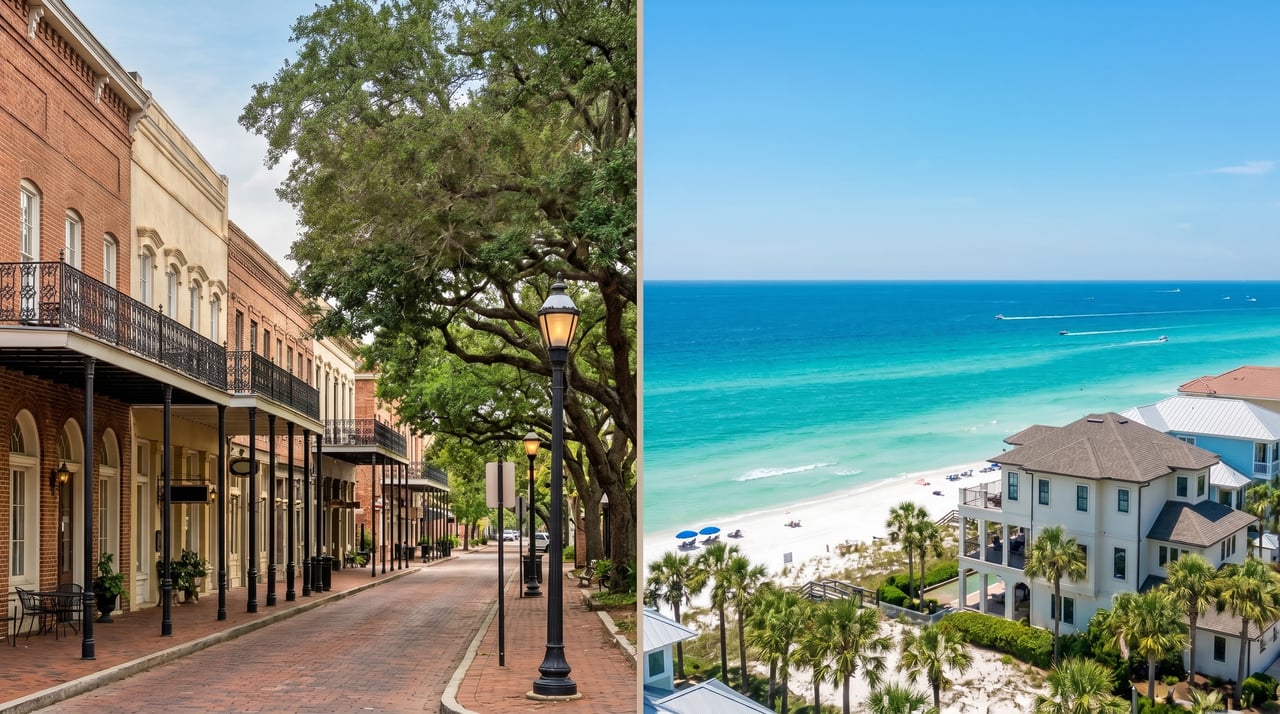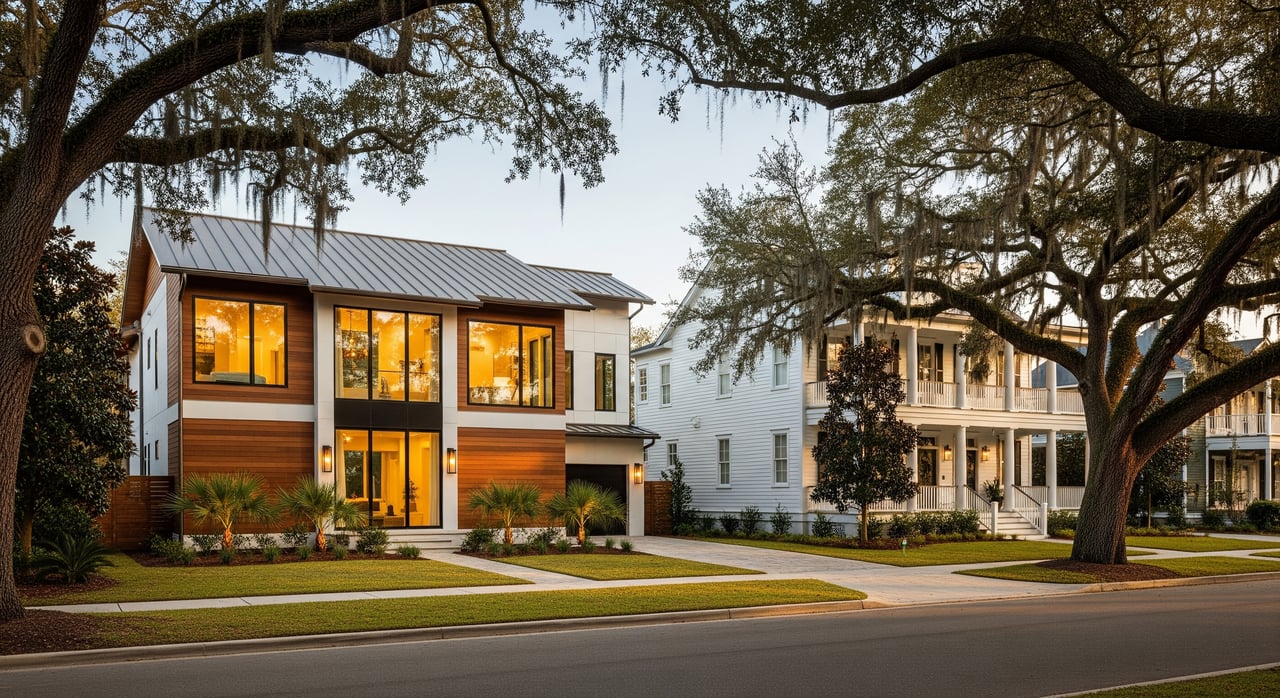
Torn between a brand-new build and a classic home you can update in Scenic Heights? You are not alone. The right choice depends on your budget, timeline, risk tolerance, and how you plan to live in the home. In this guide, you will compare costs, lots, codes, insurance, and timelines through a local lens, plus get a practical checklist to move forward with confidence. Let’s dive in.
Price and market reality
Start by comparing list price, price per square foot, recent comparable sales, days on market, and any seller concessions. For new construction, look at recently completed builds in the same micro area rather than broad city averages so your comparison is relevant. New builds often carry a premium for modern systems and layouts, while established homes may offer a lower entry price that needs a renovation budget. Appraisals for new homes can be tricky if there are few recent comps nearby, which may affect mortgage approval and cash to close.
Lots, trees, and flood risk
Confirm each property’s lot dimensions and recorded plat, plus any setbacks, easements, and encumbrances you will see in title records. Walk the site after heavy rain if possible to note drainage, runoff, and ponding patterns. Check FEMA Flood Insurance Rate Maps and local elevation data to learn whether the property is in AE, VE, A, or X zone, since flood zone designation influences lending and insurance. New builds may sit on infill lots or in fresh subdivisions with grading to current standards, while established homes often come with mature trees, unique lot shapes, or older site features that affect future additions.
Inside the home: codes and systems
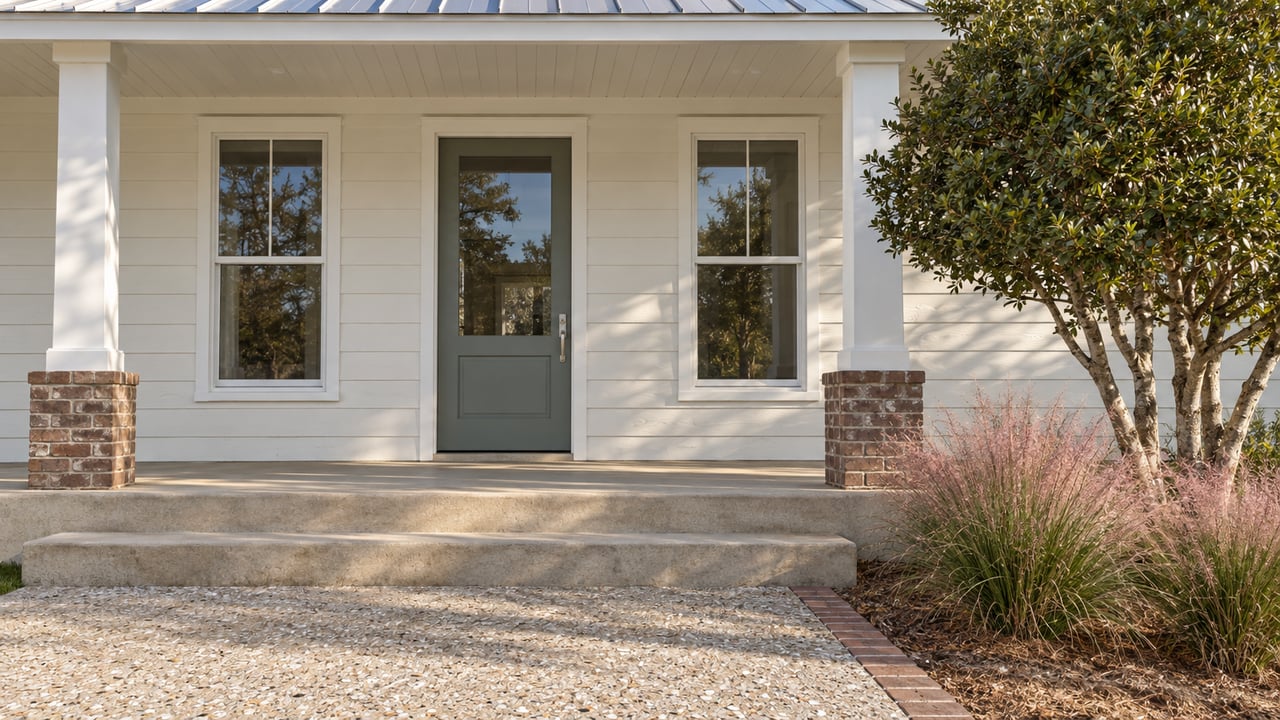
New construction must meet the current Florida Building Code at the time of permitting. That typically means stronger wind-resistance details, improved energy performance, and modern window and roof attachment standards. Many new homes include contemporary layouts, energy-efficient systems, and may offer builder warranties, though terms vary and should be verified in writing. Established homes can offer character and materials you may not find today, but they can also present unknowns such as aging electrical, plumbing, windows, or HVAC that you will want inspected.
What inspections should cover
Ask your inspector to evaluate roof age and condition, HVAC capacity and age, electrical panels and wiring type, plumbing materials, foundation and settlement clues, insulation levels, and any signs of water intrusion or mold. For older homes, consider specialized inspections such as termite and wood-destroying organism checks, sewer or septic evaluations, and roof certifications. Even on new builds, third-party inspections at key phases are wise and help verify workmanship before closing. Inspection findings should shape your renovation budget or builder repair requests.
Maintenance and lifecycle costs
With a new build, you usually face lower immediate maintenance and replacement expenses. Many items are under manufacturer or builder coverage for limited periods, though minor cosmetic issues may be excluded. In established homes, budget for near-term replacements like roofs, water heaters, HVAC, appliances, and exterior paint based on age and condition. Typical replacement horizons range from about 7 to 30 years depending on the system and materials, so an inspector’s estimate of remaining life is key for planning.
Utility and energy considerations
Homes built to current energy codes often have lower heating and cooling loads. Ask for utility bills on established homes to understand typical usage and request any builder energy statements or ratings for new construction. These details help compare your true monthly cost of ownership. New landscaping and irrigation on new builds may need extra early care and watering as they establish.
HOAs, permits, and local rules
Determine whether a Scenic Heights property is governed by an HOA or deed restrictions and review CC&Rs for design controls, rental rules, exterior guidelines, and assessments. Significant remodels, additions, or structural changes typically require permits and inspections through Escambia County Building Services or the City of Pensacola if the address is within city limits. New construction may include impact or concurrency fees and water or sewer connection fees, so verify with the county and utilities. Always review the title commitment for recorded easements and covenants that could limit future improvements or rebuilding.
Insurance, wind, and flood
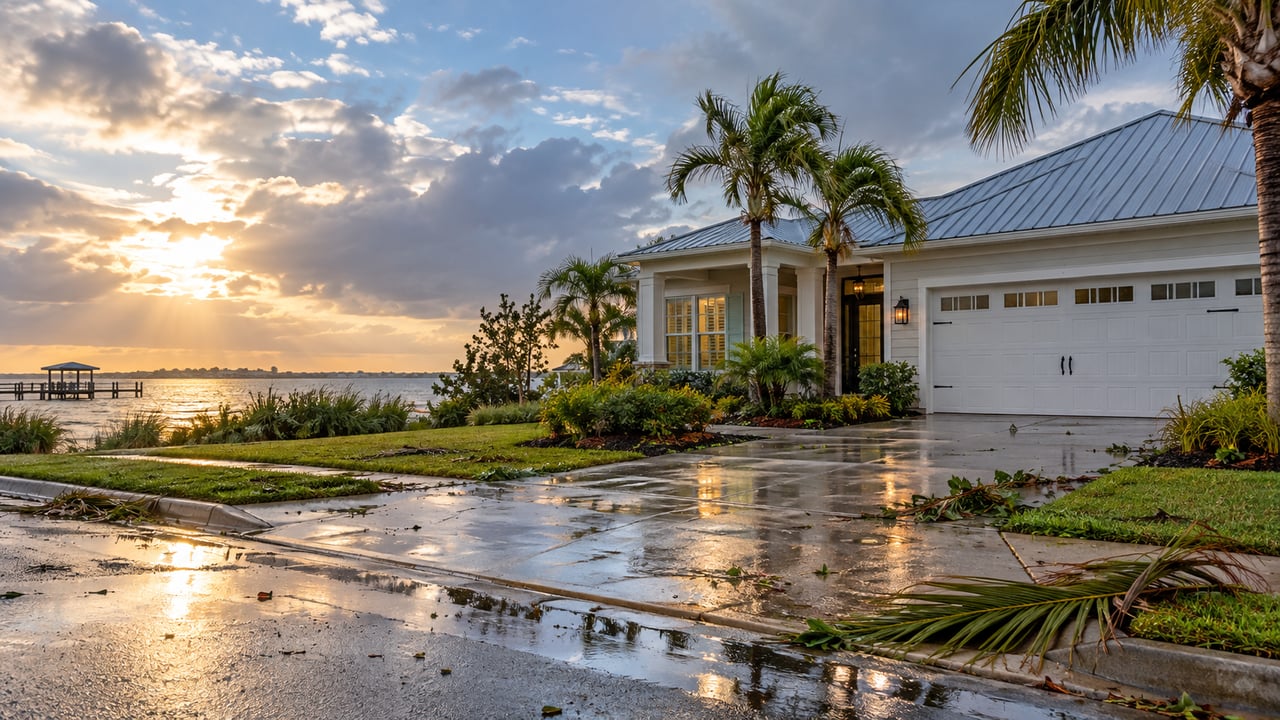
Escambia County faces tropical storms and hurricanes, so wind mitigation and elevation matter for underwriting and premiums. If a property sits in a FEMA-designated high-risk flood zone, lenders will require flood insurance, and even outside those zones it can be a smart added layer of protection. New homes built to current wind standards and with impact-rated windows and doors may qualify for premium discounts. Ask about roof-to-wall connections, hurricane straps, soffit sealing, and opening protection, and consult local insurance agents early for realistic quotes based on age, elevation, and mitigation features.
Buying timeline and financing
Financing for established homes commonly follows a 30 to 45 day cycle with appraisal, inspections, and standard contingencies. For new construction, you may choose a construction-to-permanent loan with staged draws or purchase a completed inventory home, each with different rate structures and timing. Appraisals for new builds rely on comparable recent sales; limited local comps can tighten underwriting. Write clear contract terms for completion dates, remedies for delays, a detailed inclusion list, and warranty documentation, and always plan independent inspections before closing.
Resale and neighborhood fit
Scenic Heights buyers value proximity to daily needs, reasonable commute times, and neighborhood character. New construction appeals to those who want turnkey living and warranties, while established homes draw buyers who favor larger lots, mature trees, or custom renovation potential. Avoid over-improving beyond neighborhood comparables, which can stretch days on market at resale. Short-term owners may prioritize move-in readiness and predictable costs; long-term owners may prefer a home they can customize in phases.
Which path fits you?
- You want turnkey, low maintenance, and a set move-in date: Prioritize a completed or near-complete new home, confirm builder warranty and final inspections, and lock your close date and completion remedies in the contract.
- You want a larger lot, mature trees, and are open to updating: Target established homes, line up inspectors and contractors early, and shape your offer around verified renovation budgets.
- You want to customize for future resale: Compare the cost to retrofit an older home against the premium for a new build with your must-have features, and stay within neighborhood comps to protect value.
Quick buyer checklist for Scenic Heights
- Pull the parcel report from the Escambia County Property Appraiser for lot size, year built, and assessed value.
- Retrieve recorded plats and any CC&Rs from the Escambia County Clerk of Court.
- Check FEMA flood zone and base flood elevation, and consider an elevation certificate if risk is unclear.
- For established homes, request recent utility bills; for new builds, ask for builder energy statements.
- Verify school assignments and local services to understand daily logistics.
- Order a full home inspection and termite or WDO report; add specialized inspections for older systems as needed.
- Obtain HOA documents, including CC&Rs, bylaws, financials, minutes, and any pending assessments.
- For new builds, request the full finishes list, builder warranty documents, completion schedule, and delay remedies.
- Confirm permit history for additions or major repairs with the permitting office.
- Consult a local insurance agent early for wind and flood quotes and available mitigation discounts.
- Select your financing path and secure preapproval aligned to your timeline.
Red flags to watch
- New builds: vague scopes or allowances, open-ended change orders, unclear timelines or remedies, and limited local references.
- Established homes: signs of water intrusion, overloaded or obsolete electrical, unpermitted additions, grading or root issues, and extensive deferred maintenance.
- Any property: unexpected flood zone designations, substantial easements that limit yard use, or restrictive covenants that hinder future plans.
Next steps
- Pull current comps and lot records for target addresses in Scenic Heights and confirm jurisdiction for permitting.
- Run a FEMA flood map check and consider an elevation certificate if you are near known drainage paths or low-lying areas.
- For new construction, get a detailed contract with fixed allowances, clear completion dates, and warranty terms; line up financing appropriate for the build stage.
- For established homes, use inspection results to prioritize structural and mechanical updates and confirm permit history before finalizing price.
- Engage a local insurance agent early to model premiums with and without wind or flood mitigation features.
Ready to compare specific homes and run the numbers with a local advisor? Connect with the team at Avenue Realty for neighborhood-level guidance and a clear plan from first tour to close.
FAQs
Will a new Scenic Heights build lower my insurance?
- It can, especially if it meets current wind and elevation standards and includes impact-rated openings, but you should have a local insurance agent quote premiums based on the home’s actual mitigation features.
What hidden costs should I expect with a new build in Escambia County?
- Plan for potential impact and utility connection fees, landscaping or driveway extras, and upgrades not included in the base contract, and review change-order terms closely.
How should I budget for renovating an older Scenic Heights home?
- Scope drives cost; get multiple contractor bids, prioritize structural and mechanical items first, and use inspection findings and local comps for upgraded homes to avoid over-improving.
Do I need flood insurance if my Scenic Heights home is not in a high-risk zone?
- Lenders may not require it outside high-risk zones, but in coastal counties it is often recommended; verify FEMA maps and consider an elevation certificate to refine your decision.
How enforceable are neighborhood covenants in Escambia County?
- Recorded CC&Rs are typically enforceable; review them carefully and check for any recent enforcement actions through HOA records or county filings before you buy.