If you’ve been watching homes sell in your Pensacola neighborhood, you may have noticed something confusing: one house sells almost immediately, while another similar in size and location sits on the market far longer. In today’s Pensacola real estate market, that difference is rarely random.
Selling a home looks very different from how it did just a few years ago. Higher interest rates, rising insurance costs, and buyers who are far more cautious have reshaped how homes are priced and how quickly they move. Some properties still sell quickly, but others linger, attract weaker offers, or require price reductions that quietly chip away at a seller’s leverage.
If you’re thinking about selling a home in Pensacola, pricing it correctly from the start is one of the most important decisions you’ll make. The right price attracts serious buyers, supports a smoother appraisal, and helps protect your equity. The wrong price can cost you time, money, and momentum.
Let’s break down why some homes sell faster than others and what really matters in today’s Pensacola market.
Understanding Today’s Pensacola Real Estate Market
The Pensacola housing market is no longer moving at one speed. Conditions vary widely depending on the neighborhood, price range, and overall condition of the home.
Some areas remain competitive, while others have slowed significantly. Buyers today are more selective and far more risk-aware. Monthly payments, insurance costs, and long-term affordability play a major role in how quickly a buyer feels comfortable making an offer. Homes that are truly move-in ready tend to outperform those that need visible work, while overpriced listings often sit longer and ultimately sell for less.
This is why citywide averages don’t tell the full story. Homes don’t sell faster simply because the market is “hot” or “slow.” They sell faster when they’re priced correctly for their specific micro-market.
Why Neighborhood Still Matters More Than Ever
Location has always been important, but in today’s market, it plays an even bigger role in pricing and buyer demand.
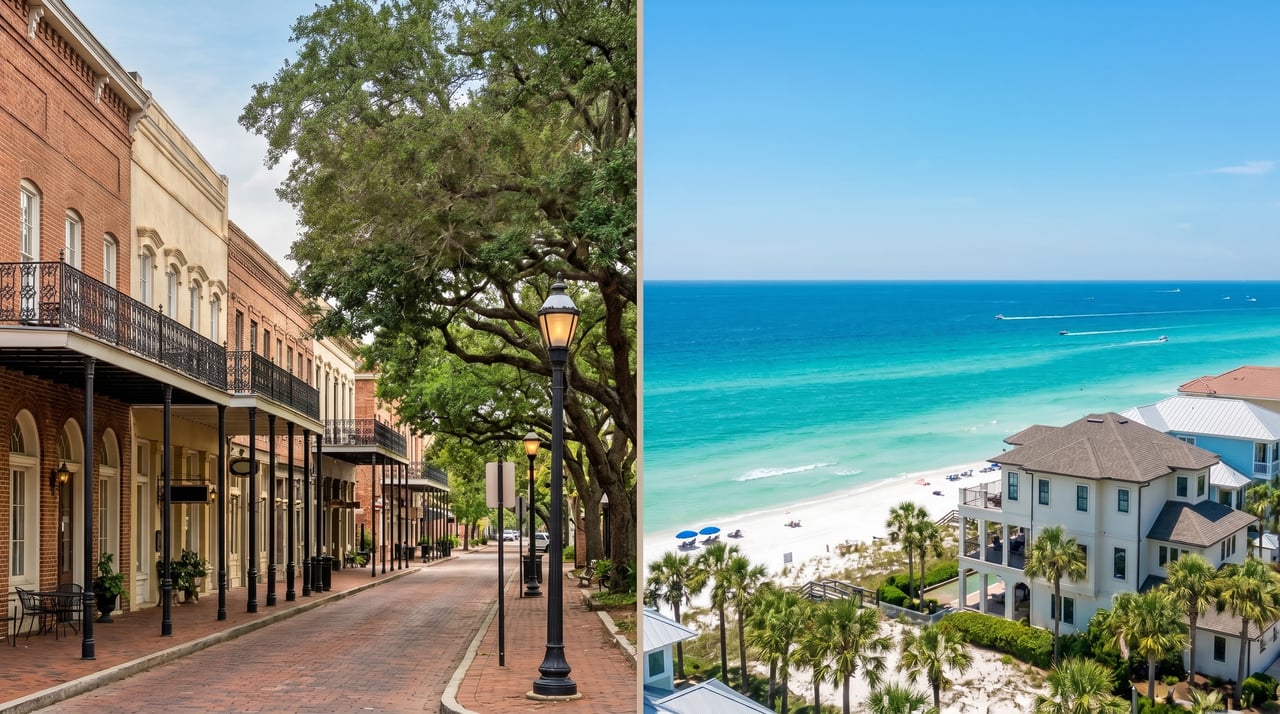
Different Pensacola neighborhoods attract different types of buyers. East Hill, Beulah, Pace, Perdido Key, Cantonment, Downtown Pensacola, and the surrounding areas all behave differently. A historic home competes differently from newer construction. Entry-level homes, move-up properties, and luxury listings all respond differently to market conditions.
Buyer type matters, too. Military buyers, relocation clients, investors, and local owner-occupants shop with very different priorities. For example, a three-bedroom home in East Hill will be priced and marketed differently than a similar home in Beulah. New construction often competes on warranties and modern layouts, while older homes compete on character, updates, and overall condition.
Homes sell faster when pricing reflects who the buyer is and where they’re searching.
How Comparable Sales Really Affect Pricing
Comparable sales, often called “comps,” are still the foundation of pricing a home in Pensacola. But not all comps carry the same weight.
Strong comps are recent sales, ideally within the last three to six months, located in the same neighborhood or a truly comparable one. They should be similar in square footage, layout, lot size, and condition.
In today’s Pensacola housing market, certain details matter more than ever. Buyers and appraisers pay close attention to roof age and wind mitigation credits, HVAC condition, flood zone designation, insurance impact, and the quality of renovations. Permitted improvements typically carry more value than unpermitted additions.
It’s also important to remember this distinction: active listings show competition, but sold homes show value. Faster-selling homes are priced based on what buyers have actually paid, not what sellers hope to get.
Buyer Psychology: How Homes Are Really Compared
Buyers don’t look at homes in isolation. They compare everything.
As buyers tour homes, they’re constantly asking themselves:
“What else can I buy at this price?”
“Does this feel move-in ready or like a project?”
“Will this pass inspection and appraisal?”
“What will my monthly payment actually be?”
Buyers shop within price brackets. If your home is priced too high, it may be compared to better options and dismissed before it ever gets a showing. Homes that sell faster are positioned where buyers are already looking and ready to act.
Why Condition Plays a Bigger Role Today
In today’s market, condition is one of the strongest drivers of value. Buyers are more cautious, and lenders and insurers are stricter than they were during peak seller demand.
Roof age is especially important for insurance eligibility. HVAC performance, signs of moisture or water damage, updated kitchens and bathrooms, and overall finishes all influence how risky a home feels to a buyer. Homes that feel well-maintained and low-risk tend to attract stronger offers and better terms. Homes with visible issues often need pricing adjustments to offset hesitation and financing concerns.
This is one of the biggest reasons similar homes sell at different speeds.
Insurance, Flood Zones, and Total Cost of Ownership
Insurance is no longer just a background detail; it’s part of the buying decision.
Buyers are paying close attention to roof age, wind mitigation credits, flood zone designations, estimated insurance premiums, and energy efficiency. Two homes with similar list prices can feel very different once total monthly ownership costs are factored in.
Homes that sell faster are priced with total affordability in mind, not just the purchase price.
Choosing the Right Pricing Strategy
There’s no universal pricing strategy, only the right one for your home and your goals.
Some sellers price at market value, which works well for well-prepared homes in balanced conditions. Others price slightly under market to create urgency and competition in high-demand areas. Aspirational pricing can work, but only when buyer demand is extremely strong. As-is pricing is often used when major repairs are needed, and buyers must factor those costs upfront.
Homes priced based on hope rather than market reality almost always take longer to sell and require price reductions later.
Appraisals Still Matter
Even with a strong offer, the price still has to hold up under appraisal.
Homes that sell faster are priced with realistic, well-supported comps. Upgrades are clearly documented, safety or lender-required items are addressed early, and pricing stays within what recent sales justify. Overpricing increases the risk of appraisal gaps, renegotiations, or failed contracts.
Common Pricing Mistakes That Slow Homes Down
Some pricing mistakes don’t feel dramatic, but they quietly cost sellers money.
These include pricing based on peak-market headlines, chasing the market downward with multiple price drops, ignoring buyer and agent feedback, assuming upgrades return dollar-for-dollar value, and comparing your home to active listings instead of sold homes.
The first 14 to 21 days on the market are critical. That’s when buyer interest is highest and when pricing accuracy matters most.
A Smarter Pricing Plan for Pensacola Sellers
Homes that sell faster follow a clear process. That process starts with understanding neighborhood-level conditions and identifying the most likely buyer. From there, a clean, well-adjusted CMA is built using sold data. Condition and insurance factors are evaluated honestly, a pricing strategy is chosen based on timeline, and the home is prepared to support the price with strong marketing from day one.
Why Local Expertise Makes the Difference
Pricing a home in Pensacola isn’t about formulas; it’s about insight. A local agent understands neighborhood trends, insurance and flood considerations, buyer expectations by area, seasonal demand, and how resale homes compete with new construction.
At Avenue Realty, pricing is proactive, not reactive. We focus on positioning your home correctly from the beginning to protect your equity and reduce stress throughout the selling process.
Final Thoughts: Selling Smart in Pensacola
Selling smart in the Pensacola real estate market means pricing with intention and not assumptions. The right price attracts serious buyers, shortens time on market, and strengthens your negotiating position. The wrong price can quietly cost you time, leverage, and money.
If you’re considering selling and want guidance from a local Pensacola real estate agent who truly understands your neighborhood and today’s market conditions, Avenue Realty is here to help.