Are you torn between a sleek condo with bay views, a roomy townhome, or a charming historic house in Downtown Pensacola? You are not alone. Each option offers a different mix of space, maintenance, parking, and access to the waterfront and Palafox Street. In this guide, you will see clear tradeoffs, current price expectations, practical due diligence tips, and an easy framework to choose what fits your lifestyle and budget. Let’s dive in.
Downtown Pensacola at a glance
Downtown spans the walkable core around Palafox Street, Seville Square, and the Bayfront, with nearby historic districts like Seville, North Hill, and East Hill. For a simple visual of the Seville Square area and boundaries, use the neighborhood map on the Seville Square site. Listings often cross ZIP codes 32501 and 32502, so price stats vary by the exact boundary you use.
Recent reporting placed Downtown Pensacola’s median listing prices in late 2025 in the high 500s to near 700 thousand, depending on the timeframe and ZIP snapshot. Always confirm the latest numbers with current MLS data if you are timing a purchase. The bigger takeaway is that micro‑location matters, and pricing ranges vary by property type and proximity to the waterfront.
Condo, townhome, or house?
Buying downtown is all about the right fit. Below is a quick, plain‑English look at each property type, including typical price bands, HOA expectations, and what to watch during due diligence.
High‑rise and newer waterfront condos
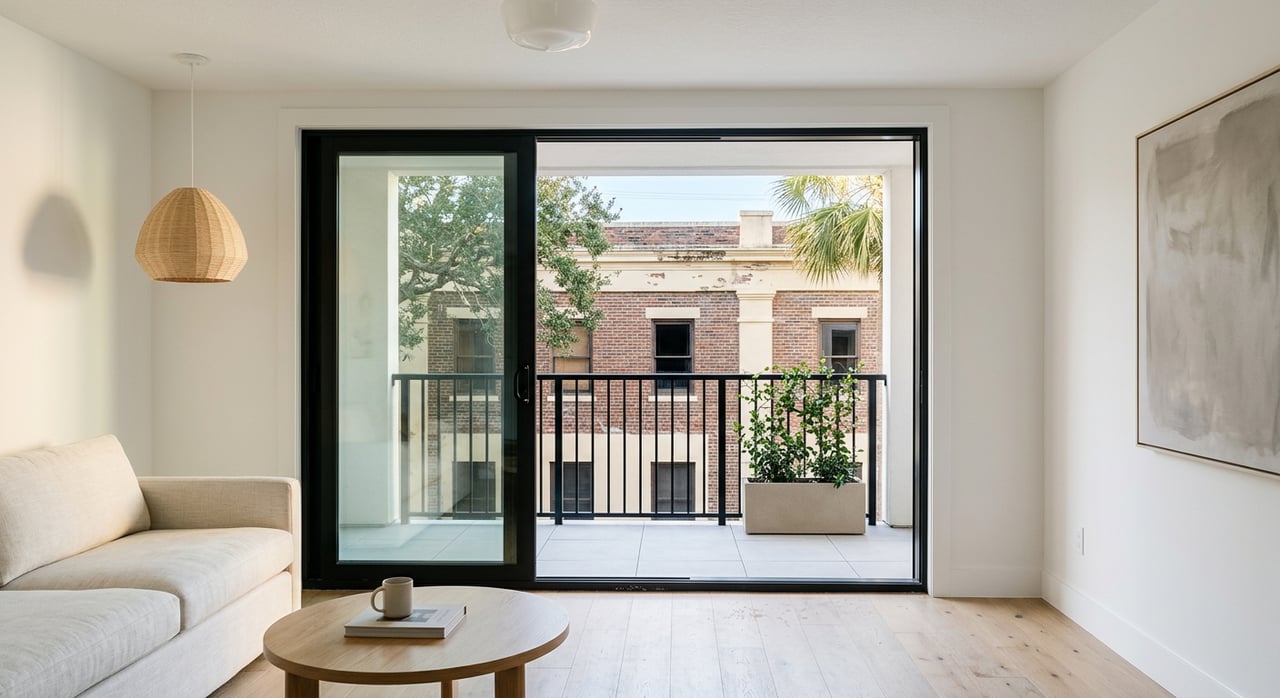
These buildings often deliver secure garage parking, climate‑controlled storage, and amenities like pools, fitness rooms, and sometimes marina access. Units lean modern, and many are designed for low‑maintenance living with premium finishes. Recent examples of new or newer waterfront condos have offered price points around the $1.6 million to $2.2 million range, with HOA dues in the upper hundreds to well over $1,500 per month when many services are included.
- What you may like: minimal exterior upkeep, strong amenity set, and walkable access to dining and the Bayfront.
- What to check: total monthly carrying cost, special assessments, and how the HOA handles flood and wind insurance for the structure versus your interior policy.
Low‑rise and mid‑rise condos
Older low‑rise buildings provide the most affordable entry into a downtown address. One‑bedroom units have been advertised from roughly the low 60s to around 150 thousand in recent listings, with HOAs that sometimes include multiple utilities and building insurance. These buildings can carry tighter rules around pets and short‑term rentals, so always review the documents.
- What you may like: the lowest purchase price downtown and quick access to events and Palafox.
- What to check: building age and systems, HOA budget and reserves, elevator and roof timelines, and how the dues compare to the unit price.
Townhomes
Townhomes bridge the gap between condo and single‑family. Expect multi‑level layouts, private entries, and garage or deeded parking. In gated or waterfront communities near downtown, recent listings have ranged from around 700 thousand to 1.3 million or more, with HOA dues spanning the mid‑hundreds to over 1,000 per month depending on amenities and included services.
- What you may like: more space and privacy than a condo, often with a garage and a home‑like feel.
- What to check: the scope of the HOA (you typically do not own the grounds), and additional costs for storm mitigation on waterfront units.
Single‑family homes in historic districts
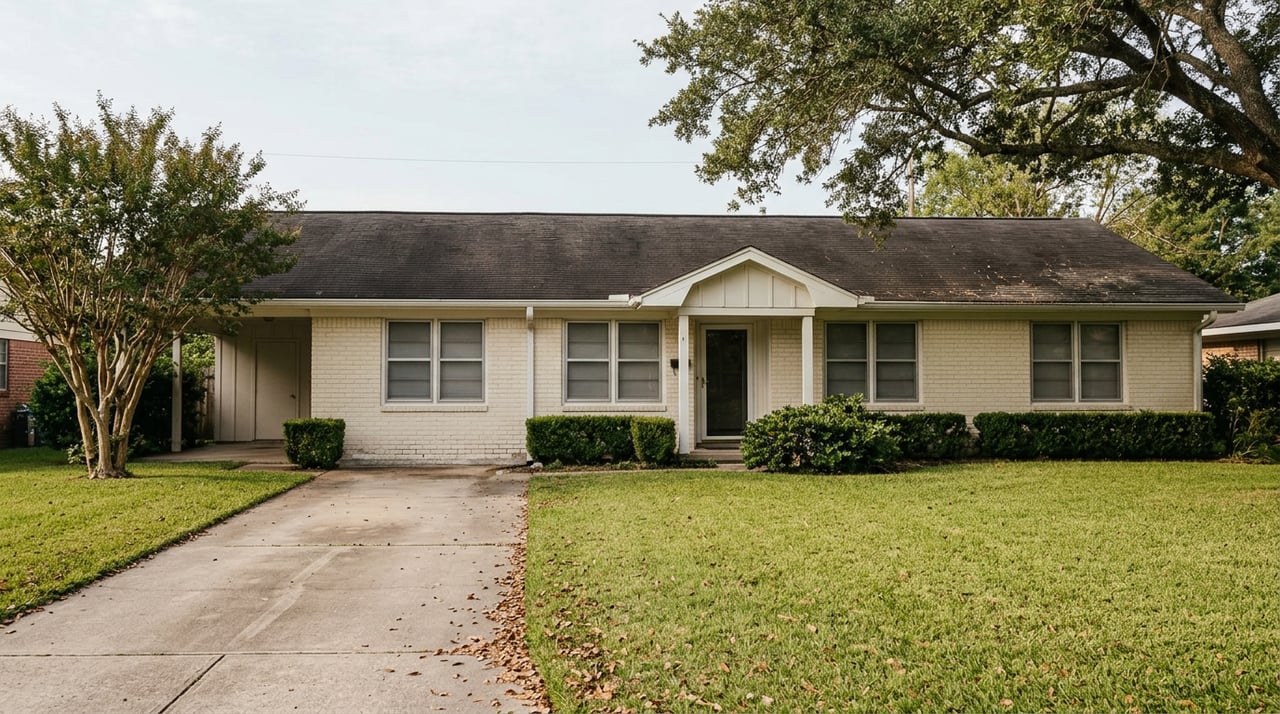
Seville, North Hill, and nearby pockets offer historic cottages and larger renovated homes with yards, porches, and architectural character. Pricing runs a wide spectrum. Modest historic cottages and smaller homes can appear from the 200s to 400s, while larger or fully renovated properties in North Hill or near the Palafox District often close from the 700s into the multimillion range.
- What you may like: space, privacy, and the character of a classic Pensacola home.
- What to check: maintenance and renovation needs, any historic‑district design guidelines, and proximity to nightlife if you prefer quieter evenings.
Parking, noise, and walkability
Parking realities
Many newer and waterfront condos include deeded or assigned garage parking, often two spaces. Older low‑rise condos may offer surface lots or a single assigned space. Downtown also operates paid on‑street and municipal parking with standardized hours, with the first 30 minutes free if started via the ParkMobile app or kiosks. You can read the city’s update on paid parking hours and zones. If you drive daily, verify your unit’s assigned spaces and guest parking before you make an offer.
Noise and events
Downtown hosts frequent events and has an active nightlife near Palafox Place. You will notice more ambient sound near bars and event plazas, especially on weekends and during festivals like Palafox Market, Gallery Night, and the Great Gulfcoast Arts Festival. Get a feel for event cadence by browsing Visit Pensacola’s Downtown overview. When possible, visit a property at different times of day to assess noise for yourself.
Walkability basics
Walk Score values vary by block. Addresses on or within a block of Palafox Street feel much more walkable than properties several blocks north. To see an area’s approximate walk metrics, use Walk Score for the Palafox core, then run the exact address for a more precise read.
If you plan to rent your home short term
Short‑term rentals require attention to local rules and taxes. Escambia County collects a Tourist Development Tax at 5 percent, and hosts must register to collect and remit it. You can review registration information on the county’s Tourist Development Tax page. Also confirm any City of Pensacola requirements and your association’s minimum lease terms and caps before buying with rental plans.
For condos and townhomes, rental rules vary by building. Some communities require longer lease minimums or limit the number of units that can be rented at a time. Always read the condo documents and house rules before you write an offer if rental income is part of your plan.
Flood, insurance, and building due diligence
Flood and wind exposure
Downtown is a waterfront environment with storm surge and wind risk. Lenders may require flood insurance if the structure sits in a Special Flood Hazard Area. Before you buy, run the property address through FEMA’s Map Service Center to verify flood zone and review any elevation certificate. For background on mitigation concepts that reduce flood loss, see this overview from the International Association of Electrical Inspectors’ journal on flood mitigation ideas.
How to use FEMA’s Map Service Center (quick steps):
- Search the exact property address on the FEMA MSC site.
- Open the interactive map, then select “View” next to the current FIRM panel.
- Note the flood zone designation, BFE (base flood elevation), and panel number for your records.
- Ask the seller for any elevation certificate to share with your insurer and lender.
HOA and condo health checks
If you are buying a condo or townhome, ask for the full HOA packet early. That includes the current budget, reserve study, 12 months of meeting minutes, insurance certificates, rules and regulations, rental policy, and any notices of planned or recent special assessments. Florida’s post‑2022 condo laws added structural and milestone inspection requirements for certain buildings, so request recent engineering reports and confirm compliance where applicable. For a useful industry perspective on association governance and compliance, see the SFPMA member services page.
Which one fits you? A simple framework
Use this checklist to speed up your decision and set targeted MLS filters.
Budget bands (set your max first):
- Entry under $300,000. Mostly older low‑rise condos or small historic cottages when available.
- Mid from $300,000 to $800,000. Townhomes, renovated small houses, and nicer condos.
- Premium above $800,000. Waterfront townhomes, newer high‑rise condos, and large historic homes.
Lifestyle tradeoffs:
- Want walkable nightlife and easy dining. Focus on condos within a block or two of Palafox Street.
- Want a quiet yard and space. Focus on single‑family homes on residential blocks in North Hill, Seville, or nearby pockets.
- Want dock or marina access. Target waterfront condos and townhomes near the Bayfront and Port Royal area.
Maintenance appetite:
- Low. High‑rise or newer condos with strong HOAs and robust reserves.
- Moderate. Townhomes with HOA covering exterior and grounds.
- High. Single‑family homes, especially historic properties.
Parking needs:
- Two or more cars, or an oversized vehicle. Require a private garage or deeded covered spaces. Confirm guest parking rules and nearby public options under the city’s parking program.
Suggested MLS filters to try today:
- Property type. Condo/Coop, Townhome, Single Family.
- Price range. Use the three bands above to focus your search.
- HOA fee. Set a maximum that keeps your total monthly within budget, for example under $500, $500 to $1,500, or above $1,500 per month.
- Parking features. Garage, Assigned parking, Covered.
- Waterfront and views. Waterfront, Bay view, or Marina.
- Rentals. Keywords like rental allowed, then confirm minimum lease length in HOA documents.
- Flood and hazards. If your MLS displays flood data, add it. If not, run the address through FEMA MSC separately.
Quick buyer checklist for showings
Print or save this list for your next tour.
- Is parking deeded or assigned, and how many spaces are included? Where do guests park under the downtown parking rules?
- Exactly what does the HOA cover, such as structure insurance, water, cable or internet, landscaping, elevator, pest control?
- Any past or planned special assessments? For what work and on what timeline?
- What are the rental rules, including minimum lease length and any rental caps? If short term is allowed, how do I register for the county’s 5 percent Tourist Development Tax through the Escambia County Clerk’s office?
- What is the most recent capital improvement, and is there an engineering report for safety‑critical items?
- What flood zone is listed on the current FEMA FIRM panel, and is there an elevation certificate on file?
- For historic homes, are there local design guidelines that affect exterior changes?
The bottom line
There is no one right answer for everyone. If you want lock‑and‑leave living with amenities and a quick walk to dinner, a condo near Palafox will likely check your boxes. If you want more space and a garage without yard work, a townhome is a smart middle ground. If you want a yard, architectural charm, and full control, a single‑family home in Seville or North Hill may be your best fit.
When you are ready to compare options, tour properties on different days and at different times, and pressure‑test your budget with HOA dues, insurance, and parking. If you plan to rent, confirm rules and taxes early. Most of all, lean on local guidance to focus your search and avoid surprises. If you would like tailored advice and on‑the‑ground touring support, connect with the team at Avenue Realty. We are here to help you find the right home in Downtown Pensacola.
FAQs
What is the price difference between condos, townhomes, and houses in Downtown Pensacola?
- Older low‑rise condos can start under $200,000, townhomes often run from the 700s to 1.3 million or more, and single‑family homes range widely from the 300s to $2 million plus depending on size, location, and renovation level.
Are HOA dues higher for newer or waterfront condos?
- Yes, newer and waterfront high‑rises often carry higher monthly dues that cover extensive amenities and services, so factor that into your total monthly cost.
Can I operate a short‑term rental downtown?
- It depends on city and association rules, plus Escambia County requires hosts to register and remit the 5 percent Tourist Development Tax before renting.
How noisy is living near Palafox Street and event areas?
- It varies by block, but expect more nightlife and event sound near Palafox Place; visit at different times to gauge noise for your comfort level.
How can I check a property’s flood zone before I buy?
- Search the address on FEMA’s Map Service Center to see the current FIRM panel and zone, then ask the seller for any elevation certificate for insurance quotes.
What should I review in a condo or townhome HOA before I make an offer?
- Request the full HOA packet, including budget, reserves, insurance certificates, rules and rentals policy, meeting minutes, engineering or milestone reports, and any planned assessments.
What parking should I look for if I own two cars?
- Prioritize properties with a private garage or two deeded covered spaces and confirm guest parking rules and nearby paid parking options under city guidelines.