If you are selling a home in Pensacola, it is easy to wonder whether the market will do the heavy lifting for you. The short answer is no. Buyers are active, but they are also paying attention to price, condition, and presentation. That means your best result usually comes from a smart plan, not just a hopeful list price. In this guide, you will learn how to price, prepare, and time your sale so you can move forward with more confidence. Let’s dive in.
Understand the Pensacola market
Pensacola sellers are working in a market that is moving, but not blindly forgiving. In the Florida Realtors January 2026 MSA report, the Pensacola-Ferry Pass-Brent area posted 539 closed single-family sales, up 17.2% year over year, with a median sale price of $330,000.
At the local level, the Pensacola Association of REALTORS® March 2026 snapshot showed year-to-date combined sales of 2,049, up 11.7% from the prior year. March sales reached 812 compared with 719 a year earlier, while the median sales price was $324,900.
At the same time, listing data suggests buyers still have choices. Redfin’s Pensacola housing market page reported a March 2026 median sale price of $339,950, an average of 63 days to sell, and homes closing at 96.7% of list price on average. Zillow also reported 1,614 homes for sale and a median 39 days to pending as of March 31, 2026.
What does that mean for you? It means Pensacola is active, but price-sensitive. Some homes still sell above asking, but not every listing will get that response. Your strategy matters.
Price for the market you have
The most common pricing mistake is treating your asking price like a test. In a market where buyers are comparing options carefully, an inflated list price can cost you attention early, when your home is newest to the market.
According to the National Association of Realtors consumer pricing guide, pricing should be based on comparable sales, plus current active and pending competition when relevant. Agents look at size, location, condition, amenities, and market conditions when recommending a list price.
That is why the best list price is not the highest possible number. It is the number supported by the strongest local evidence. In Pensacola, where homes are not closing at full asking price by default, realistic pricing can help you attract more interest and reduce the risk of chasing the market later.
What good comps look like
Strong comps are not just nearby homes. They should also match your property type, age, condition, and features as closely as possible.
For example, a single-family home should usually be compared against similar single-family homes, not condos. The local market tracks residential and condo activity separately, which is a reminder that those segments can behave differently.
When reviewing comps, focus on:
- Recently sold homes with similar square footage
- Similar property type, such as single-family or condo
- Similar age, condition, and updates
- Comparable lot size, layout, and amenities
- The closest practical location match
If your goal is a faster sale, NAR notes that a more competitive asking price may make sense. That can be especially important if you are also trying to coordinate a purchase or need more certainty around timing.
Prep your home before launch
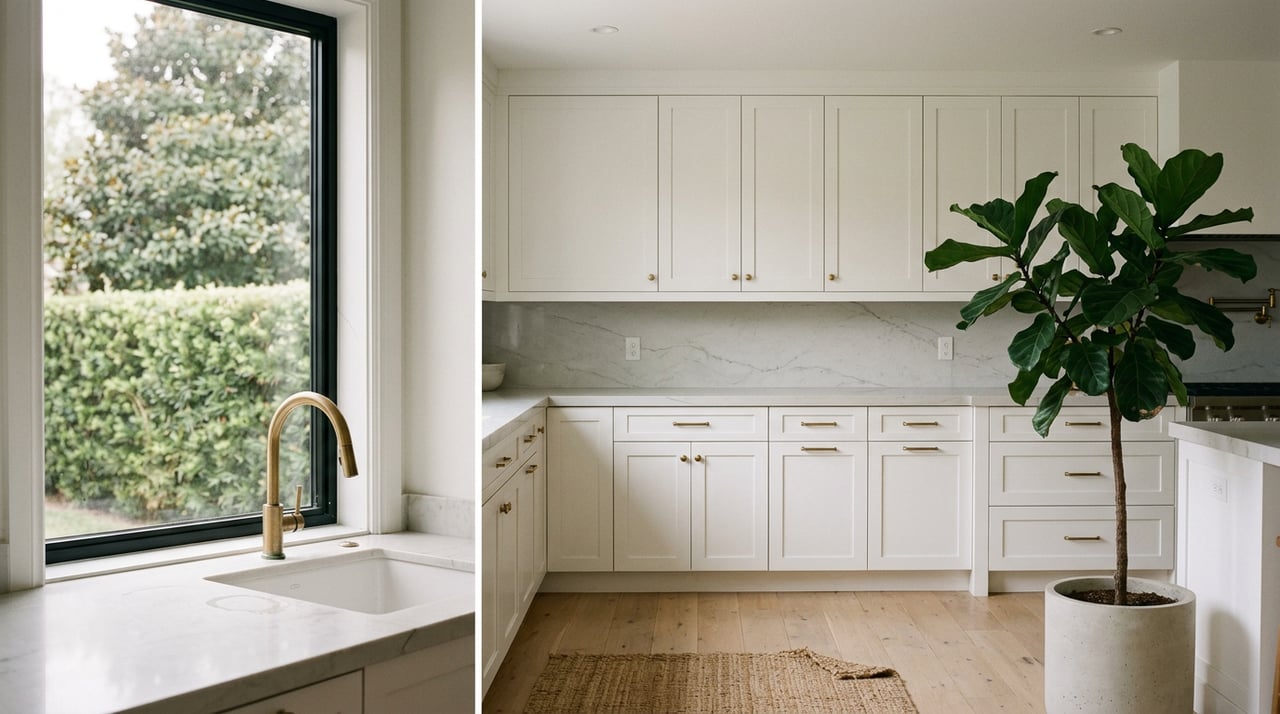
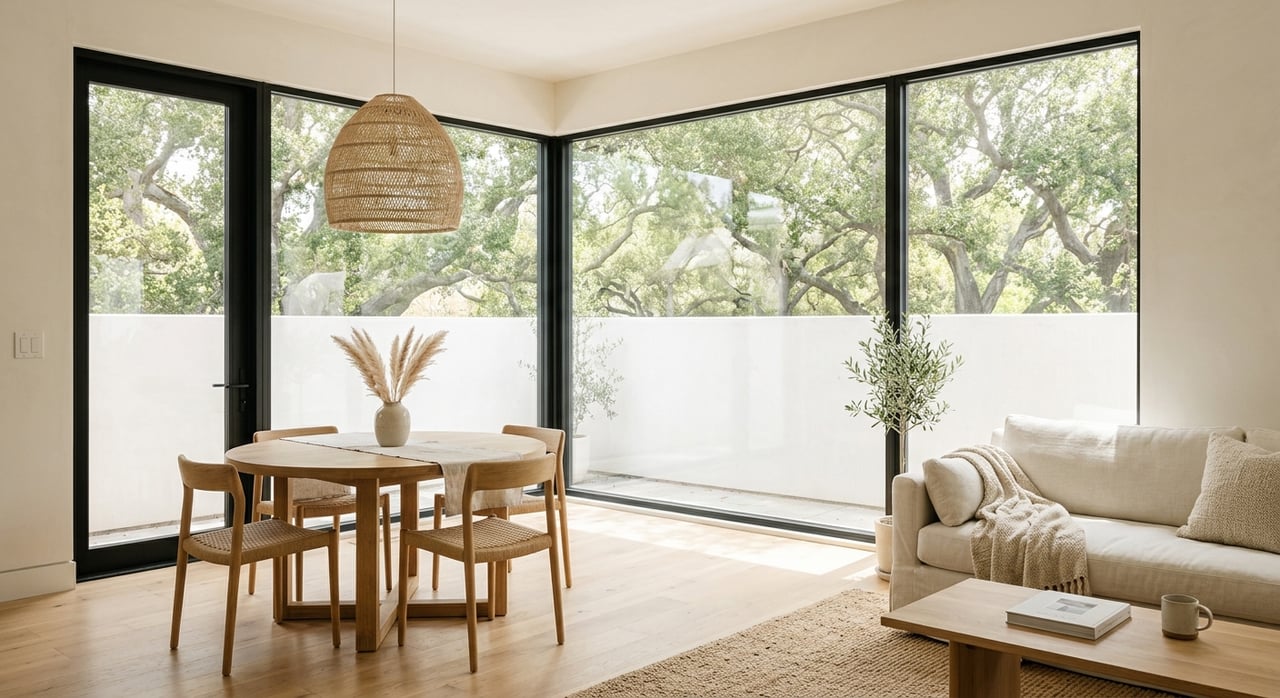
In today’s Pensacola market, condition and presentation can directly affect your result. Buyers are still responding to homes that look move-in ready, clean, and well cared for.
The 2025 NAR Profile of Home Staging found that 83% of buyers’ agents said staging makes it easier for buyers to visualize a property as a future home. Another 17% said staging increased the dollar value offered by 1% to 5%.
That does not mean you need a full redesign. It means you should focus on the changes buyers notice first.
Start with high-impact basics
NAR found that sellers’ agents most often recommended:
- Decluttering
- Deep cleaning
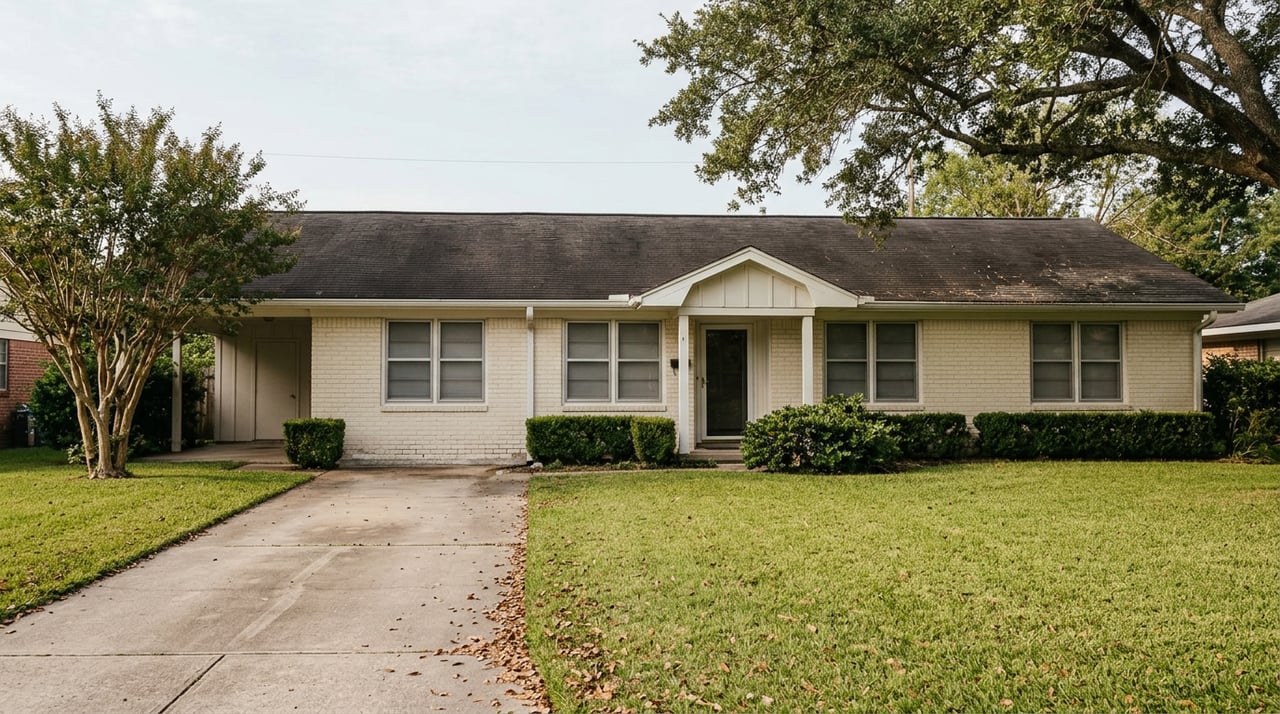
- Improving curb appeal
Those basics matter because they help your home photograph better, show better, and feel more cared for in person. They also tend to cost less than major renovations.
A simple rule works well here: fix the obvious, clean aggressively, and make the exterior feel tidy and welcoming.
Stage the rooms buyers notice most
If you are deciding where to spend time and money, prioritize the spaces buyers focus on first. NAR reported that the most commonly staged rooms were:
- Living room
- Primary bedroom
- Dining room
- Kitchen
Even light staging can help define space and improve flow. In a market where presentation matters, that can support stronger interest during the first days on the market.
Use strong visuals
Photos matter. NAR’s staging report found that 88% of sellers’ agents said photos were important to their clients, followed by videos at 47% and physical staging at 43%.
For Pensacola sellers, this is especially important because buyers are not only local. Out-of-area buyers, relocators, and second-home shoppers often start online. Professional presentation helps your home compete before a showing is ever scheduled.
Think beyond list price
A strong offer is not always the same as the highest offer. Your net proceeds, timeline, and contract terms all shape the real outcome.
NAR notes that the best offer may depend on more than price alone. Cash offers, for example, can reduce financing risk and help speed up the process. If you need a dependable closing date, that certainty may matter more than squeezing out a little more on paper.
Estimate net proceeds carefully
Many sellers start with the sale price and assume the difference is theirs. In practice, your net is built from several moving parts.
Florida’s Department of Revenue says documentary stamp tax on deeds is generally charged at $0.70 per $100 of consideration in Florida, excluding Miami-Dade’s separate rate structure. The state also notes that this tax is payable by any party to the taxable transaction, so it is smart to review how that cost will be handled early.
The Consumer Financial Protection Bureau’s Closing Disclosure guidance also shows how final numbers include closing costs, taxes, seller credits, and adjustments. In other words, your net proceeds should be based on actual contract and closing figures, not just your list price.
Time your sale with a plan
Timing matters, but not in a magic-button way. The right week can help, but your prep timeline matters just as much.
According to Realtor.com’s 2026 Best Time to Sell report, the week of April 12 through April 18 is projected to be the best week to list nationally. Homes listed then have historically received 16.7% more views, sold about 9 days faster, faced 11.9% fewer sellers on the market, and saw 18.9% fewer price reductions than the average week.
That said, strong timing only works if your home is ready. Realtor.com also found that 53% of surveyed sellers took one month or less to prepare, which is a good reminder to start early if you want to hit a spring launch window.
Build a pre-listing timeline
Before your home goes live, map out the steps in order. That can help you avoid rushed decisions and missed opportunities.
A practical seller timeline often includes:
- Review comps and pricing strategy
- Decide which repairs to make
- Declutter, clean, and stage key rooms
- Schedule photography and marketing materials
- Discuss showing plans and launch timing
- Review your estimated proceeds
- Align your sale with your next move
This kind of planning is especially useful if you are buying another home at the same time.
Coordinate your sale and purchase
If you need to sell one home before buying the next, timing becomes even more important. The goal is to reduce overlap, limit stress, and create as much certainty as possible.
Start by planning your listing prep, lender preapproval, target move date, and preferred possession timeline before you launch. If you wait until offers arrive to think through those details, you may feel boxed into terms that do not fit your next step.
This is also where offer evaluation matters. A slightly lower offer with cleaner terms, stronger financing, or a better closing timeline may fit your goals better than a higher number with more risk.
Focus on the first impression
In a market like Pensacola, your first impression carries real weight. Buyers may forgive small imperfections, but they are less likely to overlook pricing that feels out of line or presentation that feels unfinished.
That is why a strong sale strategy usually comes down to three things:
- Pricing based on real comps
- Preparation that highlights condition and livability
- Offer review based on your true bottom line and timeline
When those pieces work together, you give your home a better chance to attract serious buyers and move with fewer surprises.
Selling in Pensacola does not have to feel like guesswork. With local market insight, thoughtful preparation, and a plan tailored to your goals, you can make smarter decisions from the start. If you are ready to build a selling strategy around your home, your timing, and your next move, connect with Avenue Realty to schedule a free home consultation.
FAQs
What is the Pensacola housing market like for home sellers right now?
- Pensacola is active, but buyers are still price-conscious. Recent local and regional data show solid sales activity, but homes are not automatically selling at full asking price, so pricing and presentation matter.
How should you price a home for sale in Pensacola?
- You should price your home using the closest comparable sales, along with relevant active and pending listings, while accounting for your property’s condition, features, and current market pace.
What home improvements matter most before listing a Pensacola home?
- High-impact basics usually matter most, including decluttering, deep cleaning, improving curb appeal, and addressing visible maintenance issues before spending heavily on major remodels.
Does staging help when selling a home in Pensacola?
- Yes. NAR research shows staging helps buyers visualize the home more easily, and it may also improve the price offered in some cases, especially when key rooms are staged well.
How do you estimate net proceeds when selling a home in Florida?
- You should estimate net proceeds using the full closing picture, including taxes, closing costs, credits, and contract terms, rather than relying on the list price alone.
When is the best time to list a home for sale in Pensacola?
- Spring is often a strong listing window, and Realtor.com identified April 12 through April 18 as the best week to list nationally in 2026, but your home also needs to be fully prepared to benefit from that timing.
How can you sell a Pensacola home and buy another home at the same time?
- Start by aligning your listing prep, financing, target closing dates, possession timing, and offer strategy before your home goes live so your sale supports your next purchase more smoothly.