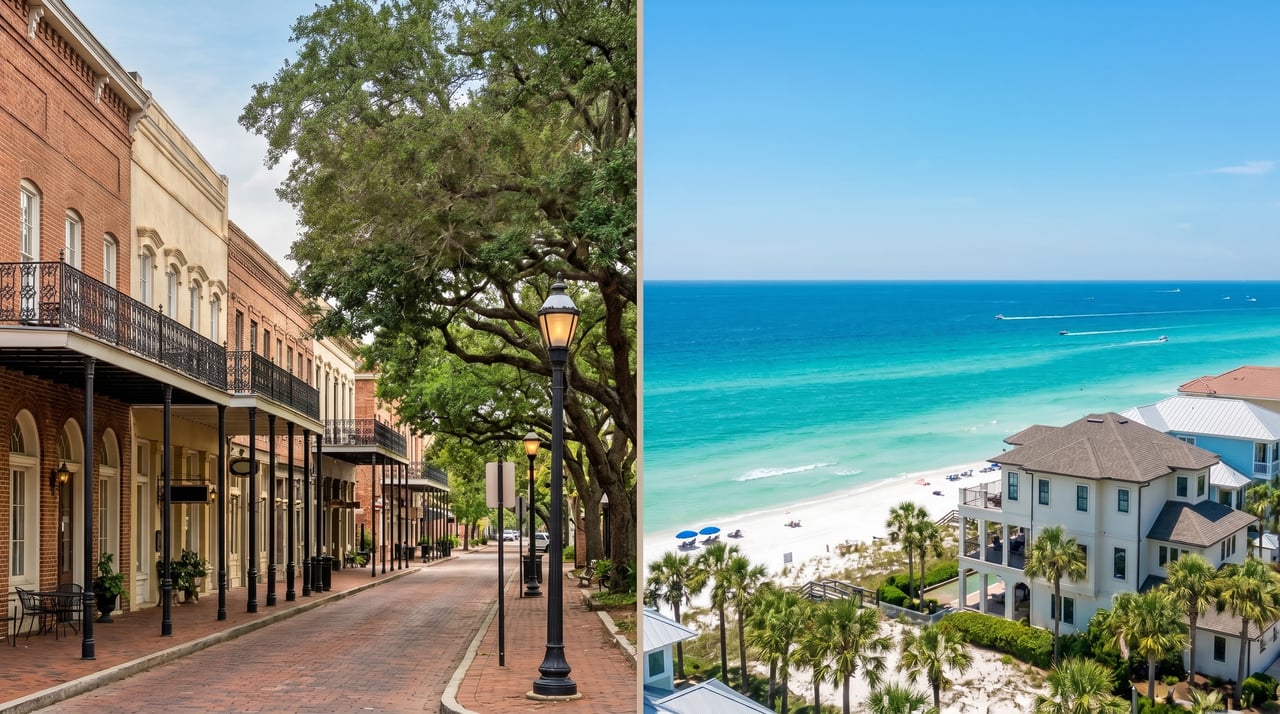
If you are getting ready to sell in downtown Pensacola, the type of property you own can shape almost every part of the process. A condo and a house may share the same skyline, but they usually attract buyers with different priorities, documents, and financing questions. When you understand those differences early, you can price smarter, prepare better, and avoid surprises once your home hits the market. Let’s dive in.
Why condo and house sales differ
In downtown Pensacola, a condo sale is usually more building-driven, while a house sale is more property-driven. With a condo, buyers are not just evaluating your unit. They are also looking at the association, the building’s records, monthly dues, reserve funding, and any inspection or assessment issues tied to the project.
A house sale is often more straightforward because there is no condo association package driving the transaction. Still, downtown houses can come with their own local factors, especially if the property sits in a historic district or an area affected by flood-zone rules. That means both property types require preparation, just in different ways.
Selling a downtown Pensacola condo
Condo documents matter early
Florida condo resales come with a specific set of documents buyers are entitled to review. These can include the declaration, articles, bylaws, rules, annual financial statement, annual budget, and FAQ document. If applicable, the package can also include a milestone inspection summary, the most recent structural integrity reserve study, and a turnover inspection report.
Because Florida law ties buyer review rights to these documents, condo timelines can be less predictable than a typical house sale. A missing record or delayed packet can slow momentum. That is why condo sellers benefit from gathering the full association packet before listing, not after accepting an offer.
Estoppel fees and transfer details can affect closing
Another condo-specific step is the estoppel certificate. In Florida, the association must issue it within 10 business days after request, and it can show regular assessments, the paid-through date, upcoming installments, special assessments, open violations, transfer-approval requirements, any right of first refusal, and insurance contacts.
This document matters because it gives buyers and lenders a current snapshot of what is owed and what rules apply. It can also come with fees, along with possible transfer-related charges. For that reason, it helps to explain these costs clearly from the start so buyers can evaluate the true monthly and closing picture.
Financing can narrow the buyer pool
One of the biggest differences between selling a condo and selling a house is financing. For many condo buyers, lender approval depends not only on the buyer’s credit and income, but also on whether the building meets project standards.
Lenders may review budgets, legal documents, insurance information, reserve studies, and inspection materials tied to the condo project. FHA financing can also depend on project approval or single-unit eligibility requirements. In practical terms, a condo can be attractive and well located, but still face financing hurdles if the building has thin reserves, unresolved litigation, special-assessment pressure, or missing paperwork.
Building age and coastal rules matter
In downtown Pensacola, building age can become part of the sales conversation. The City of Pensacola says milestone inspections apply to condo and cooperative buildings that are three stories or taller. Within three miles of the coastline, the trigger is 25 years of age, with repeat inspections every 10 years after that.
That matters because buyers may ask whether the inspection has been completed, whether repairs were recommended, and how the association is handling future costs. In a coastal downtown market, these are not side questions. They can directly affect pricing, negotiation, and buyer confidence.
Selling a downtown Pensacola house
Houses usually involve fewer project-level hurdles
Selling a house in downtown Pensacola usually means fewer association-driven disclosures than a condo sale. Buyers are focused more on the individual property itself, including condition, lot use, exterior features, and how the home fits their lifestyle.
That can make the process feel simpler. Still, a downtown house should not be marketed as if it exists in a vacuum. Location-specific issues can shape both value and buyer questions.
Historic district rules may affect appeal
Downtown Pensacola includes historic districts in the heart of downtown. The city says the Architectural Review Board evaluates developments affecting the built environment in those districts. If your house is in one of these areas, buyers may want to know whether visible exterior work or future improvements could require city review.
That does not automatically make a sale harder. It simply means your marketing and disclosures should be clear about the property’s setting. A well-prepared seller helps buyers understand both the benefits of a downtown location and the practical considerations that come with it.
Flood-zone status should be checked early
Flood risk is another key issue for houses and condos alike, but it often feels more immediate to house buyers who are thinking about the structure, lot, and insurance costs together. The City of Pensacola says it updated its Flood Insurance Rate Map on August 19, 2025, and some properties shifted into Special Flood Hazard Areas.
The city also participates in FEMA’s Community Rating System as a Class 7 community, which the city says provides a 15% discount on new or renewing NFIP flood insurance policies for properties in a Special Flood Hazard Area. For sellers, the main lesson is simple: verify flood-zone status early so buyers are not left guessing about insurance needs.
How pricing and marketing should change
Condo marketing should focus on ease and transparency
In downtown Pensacola, condos are often best positioned around low-maintenance living and location-driven convenience. Buyers may care about walkability, parking, building amenities, shared upkeep, and how close the property is to downtown restaurants, parks, boutiques, Palafox Street, and waterfront access.
The monthly dues should not be hidden in the fine print. They should be explained clearly, along with what they cover. Buyers often read dues, reserve funding, and special assessments as clues about overall building health, not just monthly cost.
House marketing should focus on control and flexibility
A downtown house often appeals to buyers who want more control over their space. Marketing usually works best when it highlights privacy, outdoor space, lot ownership, and the ability to personalize the property, while still being honest about any flood or historic-district considerations.
That distinction matters because condo and house buyers are often solving different lifestyle problems. One group may want simplicity and shared maintenance. The other may value independence and the flexibility of a stand-alone home.
A practical prep checklist for each
Condo seller checklist
Before listing a downtown Pensacola condo, try to gather:
- Declaration
- Articles and bylaws
- Rules and regulations
- Current annual financials
- Current budget
- FAQ sheet
- Estoppel contact information
- Special-assessment notices, if any
- Reserve-study summary
- Milestone-inspection summary, if applicable
- Turnover inspection report, if applicable
Having these items ready can shorten delays and help answer the questions buyers are already likely to ask.
House seller checklist
Before listing a downtown Pensacola house, make sure you verify:
- Current flood-zone status
- Whether the property is in a historic district
- Whether visible exterior work may require city review
- Any location-specific constraints that could affect buyer plans
- Key property features that support pricing, such as lot use, outdoor space, and parking
A strong house listing usually depends on clear property facts, thoughtful pricing, and upfront answers about location-related concerns.
Questions buyers ask most often
Whether you are selling a condo or a house, downtown Pensacola buyers tend to look closely at carrying costs and future risk. In a compact downtown area that blends historic fabric, waterfront exposure, and condo living, practical questions matter.
For condos, buyers often ask about loan eligibility, special assessments, reserve funding, milestone inspections, and what monthly dues cover. For houses, buyers often focus on flood-zone status, insurance expectations, and whether the property’s location affects future exterior changes.
The more clearly you answer those questions, the easier it is for buyers to move from interest to action.
Which property type is easier to sell?
There is no one-size-fits-all answer. A downtown Pensacola condo may appeal strongly to buyers who want convenience, shared maintenance, and a walkable lifestyle, but it can face more document and financing hurdles. A house may have a broader financing path, but pricing and buyer interest can still be shaped by flood considerations, historic district context, and the condition of the property itself.
The best sales strategy depends on what you own, how prepared you are, and how well the listing speaks to the right buyer. In both cases, local knowledge matters. Downtown Pensacola is a distinct market, and the details that move one property quickly may not work for another.
If you are deciding how to position a downtown condo or house for sale, working with a local team can help you prepare the right information, market the property professionally, and navigate the details with less stress. To get tailored guidance for your next move, schedule a consultation with Avenue Realty.
FAQs
What makes selling a downtown Pensacola condo different from selling a house?
- A condo sale usually involves association documents, estoppel details, dues, reserve funding, and possible building inspection questions, while a house sale is usually centered more on the individual property and its location-specific factors.
What condo documents do downtown Pensacola buyers usually want to review?
- Buyers commonly review the declaration, articles, bylaws, rules, annual financials, current budget, FAQ document, and, when applicable, milestone inspection and reserve study information.
Why can financing be harder for a downtown Pensacola condo?
- Condo financing may depend on both the buyer and the building, so lenders may review project budgets, reserves, insurance, legal documents, and inspection records before approving the loan.
What should sellers disclose about a downtown Pensacola condo association?
- Sellers should be ready to explain monthly dues, what the dues cover, any special assessments, transfer-related fees, parking details, and whether the building has reserve funding or recent major projects.
What should sellers verify before listing a downtown Pensacola house?
- Sellers should confirm flood-zone status, check whether the property is in a historic district, and understand whether visible exterior changes could require city review.
Do flood maps matter when selling in downtown Pensacola?
- Yes. The City of Pensacola updated its Flood Insurance Rate Map in 2025, and some properties shifted into Special Flood Hazard Areas, which can affect buyer questions about flood insurance and carrying costs.