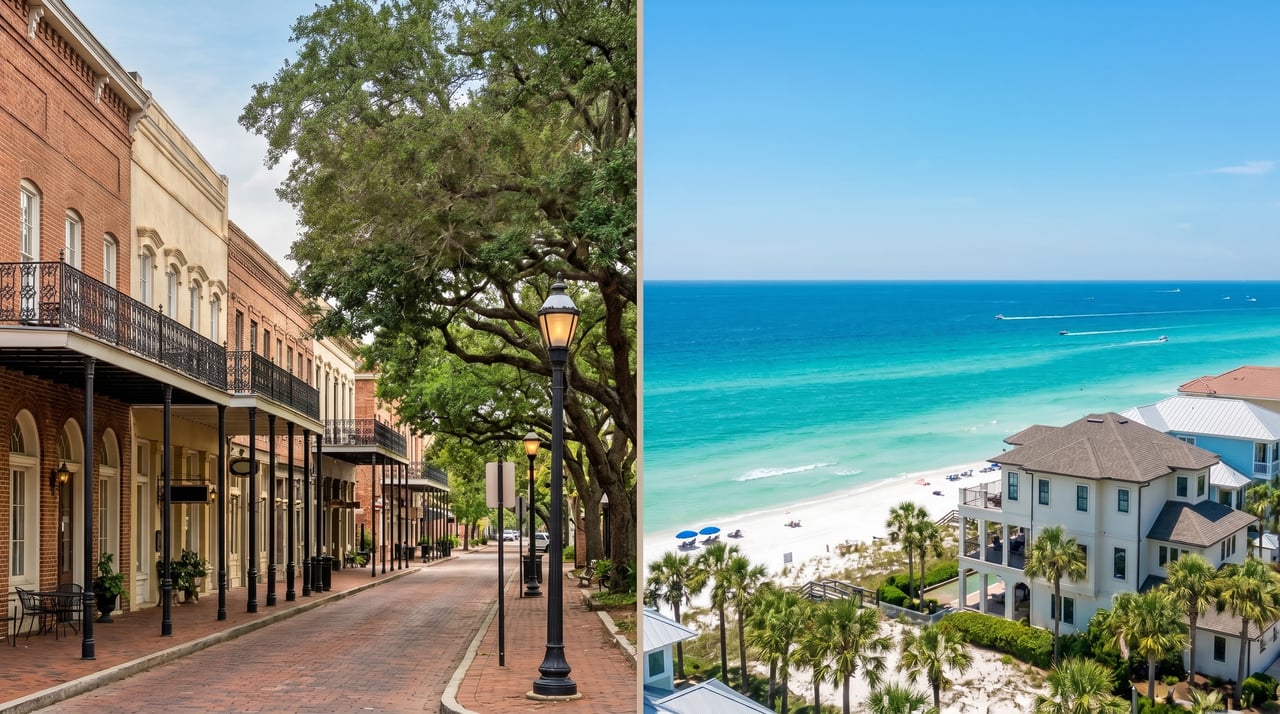
Dreaming about waking up to sugar-white sand and emerald-green water every day? Year-round living on Pensacola Beach is possible, but it does not feel like living in a typical inland neighborhood. If you are considering a move here, it helps to understand the daily routines, seasonal shifts, and practical tradeoffs that come with barrier-island life. Let’s take a closer look at what full-time living on Pensacola Beach really looks like.
Pensacola Beach Is a Real Community
Pensacola Beach is more than a vacation backdrop. It sits on Santa Rosa Island, which is about eight miles long and only about a quarter mile wide at its widest point. Escambia County describes it as a place of sugar-white sand beaches and emerald-green waters, but it is also a year-round residential area.
That said, it is not built like a typical town. According to Escambia County, about 60% of the island is public use or public service land, while 40% is leased for residential and commercial use. That mix shapes daily life in a big way, giving the island a feel that is part neighborhood and part public beach district.
The beach itself is owned by Escambia County and administered by the Santa Rosa Island Authority, while Escambia County handles public works and public safety roles. For you as a resident, that means local rules, beach access, maintenance, and public spaces are a visible part of everyday life.
Daily Life Starts With the Bridge
If you live on Pensacola Beach, getting on and off the island becomes part of your routine. The main route is the Bob Sikes Toll Bridge, and Escambia County says the toll is $1. The toll is collected electronically only, with payment options including SunPass, E-Pass, E-ZPass, Toll-by-Plate, and other approved systems.
Cash and coins are not accepted, so planning ahead matters. Escambia County also notes that Toll-by-Plate adds a $2.50 administrative fee per billing cycle, and the annual pass works only at the Bob Sikes Bridge toll plaza. These are small details, but they are the kind of practical details that shape daily convenience.
Traffic can also be part of the experience. Escambia County has an active congestion-management effort for Pensacola Beach, and the county says all-electronic tolling was adopted in part to help ease traffic congestion to the island. In other words, the bridge commute is not a flaw in the lifestyle, but it is a defining part of it.
Getting Around Beyond Your Car
Driving is not your only option. Escambia County says Pensacola Beach can also be reached by bus, ferry, bike, or on foot. ECAT routes 61 and 64 serve the beach, giving residents and visitors more than one way to connect with the mainland.
The Pensacola Bay City Ferry also adds another layer of access. According to Visit Pensacola’s 2026 transportation guide, the ferry connects Downtown Pensacola, Pensacola Beach, and Fort Pickens, with trips that run about 35 to 45 minutes per leg. For some residents, that can make outings feel less like a commute and more like part of the coastal lifestyle.
During the warmer months, the free beach trolley becomes part of the island rhythm. In 2026, Visit Pensacola says it runs on weekends from April 24 through May 17 and daily from May 22 through September 7 from 4 p.m. to midnight. It serves nearly three dozen stops, including the Boardwalk, Quietwater Beach, shops, restaurants, and beach access points, and it is ADA-compliant with bike racks.
Summer and Off-Season Feel Different
One of the biggest realities of living on Pensacola Beach is that the island changes with the calendar. Escambia County and Visit Pensacola materials point to a tourist season that runs roughly from Memorial Day through Labor Day. During that stretch, the island sees more activity and more transportation support, including the seasonal trolley.
Outside those peak months, the pace is different. You still have access to the island’s core destinations, but your own car, bridge planning, and year-round transit options matter more. For many full-time residents, that seasonal contrast is part of the appeal because the island can feel lively in summer and quieter the rest of the year.
This is one reason year-round living here feels distinct from vacationing here. You are not just visiting the busy parts of the beach. You are learning how the island moves in both its high-energy season and its calmer everyday mode.
The Boardwalk Anchors the Social Core
Pensacola Beach has a built-in gathering place, and that matters when you live here full time. Visit Pensacola describes the Pensacola Beach Boardwalk as the island’s shopping, dining, and entertainment destination. It includes eateries, boutiques, souvenir shops, and live music venues.
For residents, that creates an easy place to meet friends, grab a casual meal, or take a walk by the water without leaving the island. It is one of the reasons Pensacola Beach can feel connected even though it is narrow and shaped heavily by public land.
Quietwater Beach, which sits in the Boardwalk area on the Santa Rosa Sound side, adds another layer of everyday usability. Visit Pensacola says it offers bathrooms, picnic tables, a playground, and wheelchair-accessible amenities. It is calmer than Gulf-side beachfront areas, which makes it a practical part of regular island life, not just a spot for visitors.
Recreation Is Not Limited to the Shoreline
Living on Pensacola Beach means the Gulf Islands National Seashore is part of your everyday backdrop. The Fort Pickens Area at the western end of Santa Rosa Island offers more than beach views. The National Park Service says the area includes beach access points, trails, historic fortifications, a Discovery Center, and a bookstore that is open year-round.
That gives you options when you want more than a beach chair and a towel. A walk on a trail, a visit to a historic site, or a casual trip through Fort Pickens can become part of your regular routine. For many residents, that year-round access to outdoor and historic spaces is one of the strongest lifestyle benefits of living here.
There is a cost to keep in mind. The National Park Service says entrance fees apply in most Florida areas of the seashore, though passes are valid for seven days and annual passes provide 12 months of unlimited entry. If you expect to visit often, that becomes part of the planning.
Pet Owners Need to Know the Rules
If you have a dog, beach life on Pensacola Beach comes with some limits. Escambia County says dogs are allowed only at designated dog beaches on lots 21.5 and 28.5. Those parks also have seasonal hours that change between summer and winter.
That setup is still workable, but it is important to know before you move. Pensacola Beach is not an anywhere-goes pet environment. As a resident, you need to understand where pets are allowed and how those rules affect your daily routine.
Beach Rules Are Part of Everyday Living
Living on the beach means beach rules are not background information. They are part of how you use the island day to day. Escambia County says open flames and private grills are not allowed on the beach, many items must be removed at the end of the day, and pets are limited to designated dog beaches.
The county also maintains a lifeguard program, which reinforces that beach safety is an everyday concern. When you live here full time, the shoreline is not just scenery. It is part of your environment, and local rules help shape how residents and visitors share that space.
Parking Is Better Than Many Beach Towns
One pleasant surprise for many buyers is that parking is more workable than they expect. Visit Pensacola says the main public beach lots at Casino Beach and Quietwater Beach are free, along with other public access lots. That can make everyday outings easier, especially if you are heading to a public beach access point or meeting friends near the Boardwalk.
There is one exception worth noting. Gulf Islands National Seashore areas require a park entrance fee separate from parking. Even so, compared with many coastal communities where beach parking can become a constant hassle, Pensacola Beach offers a more manageable setup.
Barrier-Island Life Comes With Tradeoffs
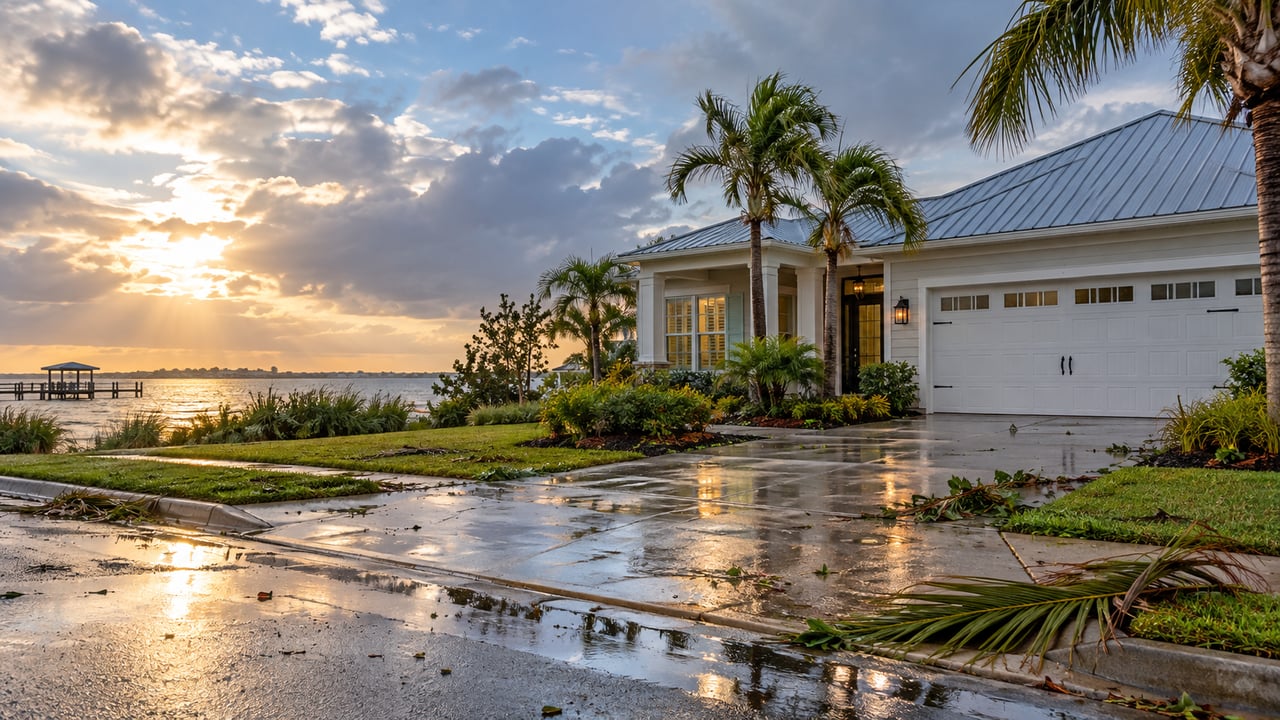
Pensacola Beach offers a beautiful setting, but it also comes with the realities of barrier-island living. Escambia County’s mitigation plan says the island is vulnerable to beach erosion, storm surge, flooding, wind damage, and other natural hazards. That reality influences how residents think about storm season, property upkeep, and long-term ownership.
This does not make year-round living here impractical. It just means you need a clear view of the environment you are choosing. The lifestyle is rewarding, but it works best when you go in with realistic expectations about weather, maintenance, and access.
So, What Does Full-Time Living Feel Like?
In many ways, year-round living on Pensacola Beach feels like a blend of neighborhood life and public-coast living. You have direct access to beaches, the Boardwalk, Quietwater Beach, and Fort Pickens, but you also share the island with visitors, seasonal activity, and a public-beach framework shaped by county oversight and island rules.
The easiest parts of the lifestyle are the scenery, recreation, and concentrated social core. The hardest parts are the bridge routine, seasonal congestion, and the practical realities of living on a barrier island. If that tradeoff sounds worthwhile to you, Pensacola Beach can offer a daily life that feels both relaxed and distinctive.
If you are weighing whether full-time living on Pensacola Beach fits your goals, local guidance makes a big difference. The right home depends not just on price or square footage, but on how you want to live on the island day to day. To talk through your options with a local team, connect with Avenue Realty.
FAQs
Can you live full time on Pensacola Beach?
- Yes. Pensacola Beach has year-round residential and commercial areas, but daily life is shaped by bridge access, public-land use, and seasonal activity.
What is the Bob Sikes Bridge toll for Pensacola Beach?
- Escambia County says the Bob Sikes Toll Bridge costs $1, and the toll is collected electronically only.
Is there public transportation to Pensacola Beach?
- Yes. Escambia County says you can reach Pensacola Beach by ECAT bus routes 61 and 64, ferry, bike, walk, or car, and the free beach trolley runs seasonally.
What is the Pensacola Beach Boardwalk like for residents?
- Visit Pensacola describes the Boardwalk as the island’s shopping, dining, and entertainment destination, giving residents a central place for casual outings and waterfront walks.
Are dogs allowed on Pensacola Beach?
- Escambia County says dogs are allowed only at designated dog beaches on lots 21.5 and 28.5, with seasonal hours.
What are the biggest challenges of living on Pensacola Beach year round?
- The main challenges are bridge commuting, visitor-season congestion, and the natural hazards that come with barrier-island living, including flooding, storm surge, erosion, and wind exposure.