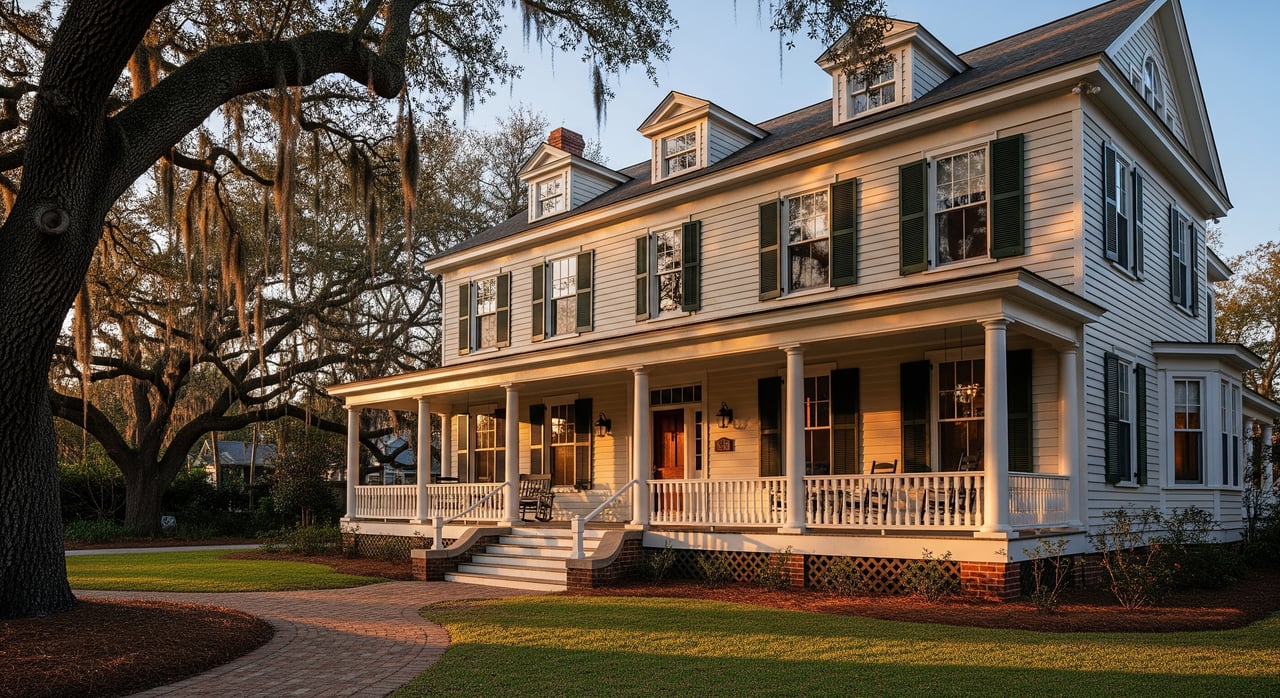
Pricing a historic home in East Hill is not the same as pricing a newer house across town. You’re balancing character, condition, local rules, and a buyer pool that values authenticity but also wants livable updates. If you get it right, you can protect your equity and attract serious buyers faster. In this guide, you’ll learn the exact steps to set a smart list price, what truly drives value for East Hill homes, and how to prepare for inspections, appraisals, and financing. Let’s dive in.
Start with historic status and rules
Before you pick a number, confirm exactly how your property is designated. In East Hill, a home can be individually designated, sit within a local historic district, or simply be an older home in a historic neighborhood. Each scenario affects what a buyer can change on the exterior and how fast those changes can happen.
- Verify your property’s status with the City of Pensacola Historic Preservation staff or planning department.
- Check your parcel’s records with the Escambia County Property Appraiser for ownership and tax history.
- If your home was built before 1978, federal lead-based paint disclosure rules apply. Plan to provide the required documents to buyers.
Why this matters for price: required approvals for exterior alterations can add time and cost, which narrows the buyer pool. At the same time, a well-preserved home with documented approval history often commands stronger offers from preservation-minded buyers.
Know what drives value in East Hill
Architectural significance and integrity
Original woodwork, porch details, windows, floors, and built-ins can lift your price, especially when they are intact and in good condition. Buyers seeking authenticity will often pay more for a house that still “feels” period appropriate. If original elements were removed or replaced in incompatible ways, you may need to adjust price expectations.
What to gather: clear photos of character-defining features, an inventory of what’s original versus replaced, and dates of major changes.
Condition and building systems
Structure, roof, foundation, electrical, plumbing, and HVAC condition heavily influence value. Older systems like knob-and-tube wiring or galvanized plumbing can limit financing options. In Florida, termite and moisture issues are common in older homes and can create big repair budgets.
What to gather: recent inspections, termite reports, HVAC service records, roofing invoices, and written estimates for known issues.
Updates done the right way
Sympathetic updates that respect the home’s era generally help value. Examples include repairing historic windows instead of replacing them, or remodeling kitchens and baths with materials and layouts that fit the architecture. Inappropriate alterations can erode the premium buyers associate with historic homes.
Location and lot attributes
East Hill’s proximity to downtown Pensacola, parks, and local amenities adds appeal. Lot size, orientation, and street character also affect price. Two otherwise similar homes can value differently based on shade trees, sidewalks, or garage and carriage-house configurations.
Flood risk and insurance costs
Even inland lots can face flood considerations. Your FEMA flood zone designation and any elevation certificate can change insurance costs and financing options. If flood insurance is likely, factor the annual premium into pricing strategy because it impacts buyer affordability.
Build the right comps for a historic home
Sales comparison approach first
For single-family homes, the sales comparison approach is the most important method. Choose recent sales within East Hill when possible. Match on era and style, and pay close attention to condition and the level of historic integrity.
Adjust for:
- Original versus altered features and the quality of any renovations
- Updated kitchens and baths, plus mechanical system upgrades
- Lot size, garages, detached structures, and accessory units
- Flood zone or elevation differences
- Permitted additions versus unpermitted work
When to use the cost approach
If true comps are scarce, supplement with a cost approach. This means considering the cost to reproduce significant features minus depreciation. Recreating historic details can be expensive, so a realistic estimate from a contractor experienced in historic work can help you defend your price.
Where to source data
- Pull sales from the local MLS focused on the past 6 to 12 months in East Hill. Expand to nearby areas only if you document clear adjustments for location and neighborhood character.
- Use public records from the Escambia County Property Appraiser for past sales and tax assessments.
Expect appraisal and lender scrutiny
Not every appraiser understands historic value. If your home has unique features or condition factors, request an appraiser with local historic experience. Consider a pre-listing appraisal when the property is highly unique or you anticipate financing complexity.
Inspections and documentation to gather
Getting ahead of buyer questions protects your price. A pre-listing inspection geared to older homes helps you avoid surprises.
What to prepare:
- Comprehensive home inspection focused on structure, roof, moisture, and pests
- Electrical and plumbing evaluation, with notes on age of systems
- Termite inspection and any treatment records
- HVAC service records and age of units
- Lead-based paint disclosure for pre-1978 homes
- Documentation of historic designation, any preservation easements, and approvals for past exterior work
- Flood zone determination and any elevation certificate
- Contractor estimates for needed repairs or restoration
Tip: Package these items into a well-organized digital folder. Buyers respond to clarity and transparency, and you reduce the chance of renegotiations late in the process.
Financing, rehab loans, and insurance
Older homes with repairs needed can still sell well when you prepare for financing questions upfront.
- Conventional, FHA, and VA loans are available, but lenders may require certain repairs before closing if they are safety or structural issues.
- FHA 203(k) and other rehab loans can help buyers finance improvements along with the purchase. These loans add steps to appraisal and processing, so plan for a longer timeline.
- Insurance costs for older materials and specialty repairs can be higher. Provide buyers with realistic expectations and, when possible, sample quotes or a range for budgeting.
Positioning your home with accurate cost-of-ownership information helps you maintain pricing power because buyers trust the numbers you share.
Step-by-step pricing plan
Follow this practical process to choose a list price with confidence:
- Confirm designation and tax status. Contact the City of Pensacola Historic Preservation staff and the Escambia County Property Appraiser to verify designation, easements, and tax details.
- Assemble records. Gather permits, renovation invoices, past appraisals, warranties, and any historic surveys or photos.
- Order pre-listing inspections. Focus on structure, roof, pests, moisture, electrical, plumbing, HVAC, and lead-based paint for pre-1978 homes.
- Get repair estimates. Use contractors experienced with historic rehabilitation to price restoration and code-compliant fixes.
- Build a targeted CMA. Pull East Hill comps first and adjust carefully for integrity, condition, and permitted work.
- Consider a pre-listing appraisal. This is helpful for highly unique properties or when you expect appraisal challenges.
- Choose a pricing strategy. Decide whether to price at market, slightly under to create urgency, or use a cost-informed approach when comps are thin.
Should you fix or sell as-is?
When major repairs are needed, you have three common paths:
- Complete key repairs before listing. This can open up more financing options and expand your buyer pool. Focus on health, safety, and lender-required items first.
- Offer credits or price adjustments. If timing is tight, price in the cost to cure significant issues and provide written estimates so buyers can see the path forward.
- Sell as-is to investors or renovators. This can be fastest, but expect a smaller pool of buyers and deeper discounts for risk and carrying costs.
Your choice depends on timelines, budget, and which buyer segment you expect to attract.
Market the history to support your price
Historic buyers respond to story and stewardship. Create a simple property dossier that includes:
- Year built, architect if known, and a summary of significant changes
- A one-page list of character-defining features with photos
- A log of preservation-minded repairs and approved exterior work
- What’s been updated for modern comfort without harming historic fabric
Use your marketing to highlight both authenticity and livability. This positions your price as fair and defensible.
Local resources to consult
- City of Pensacola Historic Preservation or planning staff for local rules and approvals
- Escambia County Property Appraiser for parcel history and assessments
- Florida Division of Historical Resources for state-level guidance
- National Park Service for federal rehabilitation standards and tax credit information related to income-producing properties
- EPA for lead-based paint requirements for pre-1978 homes
- FEMA for flood zone maps and elevation guidance
- Appraisers and contractors with historic-home experience
- Lenders familiar with FHA 203(k) and other rehab financing
Putting it all together
Pricing a historic East Hill home is about precision. Confirm the rules that apply, document your home’s integrity and condition, build comps that truly match, and prepare buyers with clear inspections and cost estimates. With the right plan, you protect your time and equity while attracting the buyers who value your home’s character.
If you want a local, hands-on partner to build your pricing strategy and market your home the right way, reach out to Avenue Realty to Schedule a Free Home Consultation.
FAQs
How does historic designation affect my East Hill home’s price?
- Designation can add approval steps for exterior changes, which narrows the buyer pool, but strong historic integrity and documented stewardship can support higher offers from buyers who value authenticity.
What inspections should I do before listing a historic home?
- Order a full home inspection focused on structure, roof, pests, moisture, electrical, plumbing, and HVAC, plus termite and lead-based paint checks for pre-1978 homes, then gather written repair estimates.
How do I choose comparable sales for a historic property?
- Prioritize recent East Hill sales with similar era and integrity, then adjust for condition, updates, lot, flood zone, and permitted work; expand the search area only with clear, documented adjustments.
Can buyers get mortgages if the home needs repairs?
- Yes, but lenders may require certain repairs before closing; rehab loans like FHA 203(k) can finance improvements with the purchase, though they often extend timelines.
Are there tax credits or incentives for restoring my home?
- Federal rehabilitation credits typically apply to certified income-producing buildings, not owner-occupied single-family homes; confirm any state or local incentives with the Florida Division of Historical Resources and local authorities.
Should I repair first or sell as-is in East Hill?
- If repairs open up financing and expand the buyer pool, completing key items can net more; otherwise, price in the cost to cure with written estimates or target investors with an as-is strategy.
How does flood risk influence pricing in Pensacola?
- Flood zone status and elevation can change insurance costs and lending terms, so verify your designation and factor likely premiums into pricing and buyer affordability.