Thinking about adding an ADU, splitting a lot, or renovating a classic home in East Hill? Great ideas only work when the zoning and lot rules line up. In a historic Pensacola neighborhood with older parcels and a mix of uses, those details matter for value, timelines, and resale.
This guide walks you through the essentials: zoning basics, setbacks and coverage, ADUs, lot splits, parking and alleys, flood zones, and permitting routes inside the City of Pensacola. You’ll also get a quick due diligence checklist and FAQs to make your next step easier. Let’s dive in.
Zoning in East Hill: What to know
Zoning sets the rules for what you can build, where it can go on the lot, and how it can be used. In East Hill’s interior blocks, you’ll mostly see single-family zoning. Along major corridors, you may find duplexes, small multifamily, and limited commercial uses.
Zoning district and future land use
Every parcel carries a zoning district designation. That label controls permitted uses and dimensional standards like setbacks and height. The City’s comprehensive plan sets a Future Land Use category that guides overall intensity. Zoning implements that plan at the parcel level. Both layers affect your options.
Historic overlays and design review
Some areas can fall within a historic overlay. If so, exterior changes often require staff or board review for materials and design. That review stacks on top of base zoning, so plan your timeline with both processes in mind.
Lot size, shape, and buildable area
East Hill is an older urban neighborhood. Lots often range from roughly 4,000 to 10,000 square feet, and some are irregular or narrower than today’s standards. Those traits affect how and where you can build.
- Minimum lot area and width determine if a lot supports a given use or can be split.
- Setbacks create front, side, and rear yard limits for homes, additions, and garages.
- Lot coverage and impervious limits cap the footprint of buildings, paving, pools, and patios.
- Height or floor-area ratio standards shape second stories and additions.
- Easements for utilities, drainage, or access reduce buildable area.
- Nonconforming structures can remain but often cannot expand into current setbacks without a variance.
ADUs and accessory structures
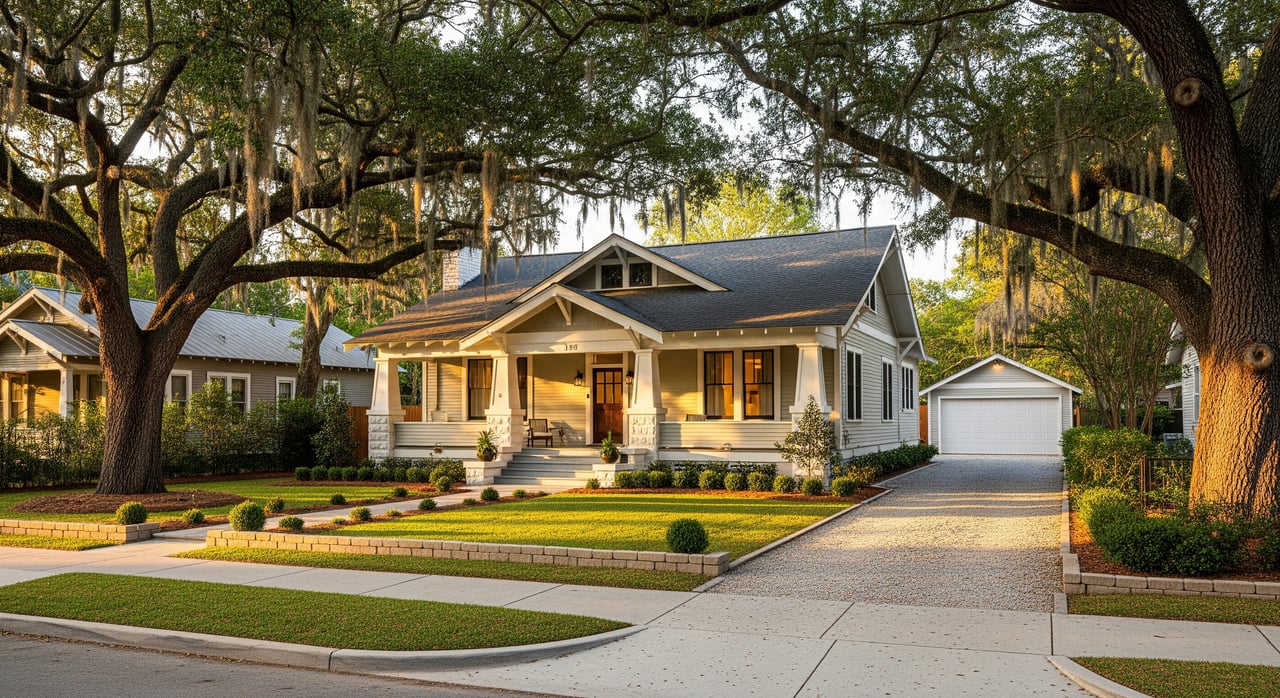
Accessory structures like sheds and detached garages are common in older neighborhoods. Whether an accessory dwelling unit is allowed depends on the local code, including size, setbacks, parking, and rental rules. If a historic overlay applies, expect design guidance for visible ADUs and garages. Always verify the ADU path for your specific lot before drawing plans.
Lot splits and infill options
Dividing a parcel can unlock value, but only if the lot meets current minimum area and frontage. Many older East Hill lots were platted under different rules and are not wide enough to split today without a variance. Combining adjacent lots is sometimes possible, though it can trigger site plan review or plat updates. Early conversations with City staff can prevent costly redesigns.
Setbacks, expansions, and nonconformities
If your existing home encroaches into today’s setbacks, it may be a legal nonconformity. That status typically allows it to remain but limits expansions. New additions generally must meet current setbacks unless a variance is granted. Variance requests require public notice and formal review, and outcomes depend on local standards and site conditions.
Parking, driveways, and alley access
Single-family homes often have minimal off-street parking requirements, though duplex, multifamily, or commercial uses may need more spaces. Driveways and curb cuts are usually regulated by public works. In historic areas, there may be restrictions on new curb cuts or driveway widths. East Hill’s alleys can help with garage placement and access, but alley status affects setbacks and design, so confirm whether your alley is open, vacated, or improved.
Utilities, stormwater, and trees
Most East Hill properties are likely served by municipal water and sewer. Still, verify service on a parcel basis if you plan a lot split, new unit, or large addition. Substantial redevelopment can trigger stormwater controls and landscaping requirements such as street trees or buffers. If you want to remove a significant tree, check whether a permit or mitigation is required before you schedule work.
Flood zones and coastal considerations
Much of Pensacola falls within FEMA flood mapping. Your flood zone classification affects insurance needs, base flood elevation for permitting, and foundation standards. If your property is near Pensacola Bay or local creeks, additional coastal construction requirements may apply. An elevation certificate is often part of the package for permits or insurance in mapped areas.
Permits and approvals: How it typically flows
Plan ahead by mapping out the approvals you’ll need based on your scope.
- Zoning verification letter. Confirms your zoning district and permitted uses for a parcel.
- Pre-application meeting. Recommended for lot splits, new homes, ADUs, or complex renovations.
- Historic design review. Required for exterior changes in historic overlays.
- Building permits. Structural, mechanical, electrical, and any needed surveys or elevation certificates.
- Site plan review. Applies to new construction, multiunit, or commercial projects.
- Variances or special exceptions. A formal process with public notice and hearings when standards cannot be met.
Due diligence checklist for buyers and sellers
- Confirm current zoning and permitted uses for the parcel.
- Order a recent boundary survey showing easements and improvements.
- Check FEMA flood zone and obtain an elevation certificate if needed.
- Review recorded easements, covenants, and the plat.
- Collect past permits and certificates of occupancy for renovations.
- If planning an ADU, addition, or split, schedule a pre-application meeting with City staff.
- Verify if a historic overlay applies and review design guidelines.
- Confirm water and sewer connections with the utilities department.
Common East Hill scenarios
Adding a second story
Height limits and design compatibility guide what is possible. If you are in a historic overlay, exterior changes typically need review. Check structural capacity, current setbacks, and potential flood elevation requirements before design work.
Building a detached garage off the alley
Alley access can be an advantage for garage placement. Confirm alley status and rear-yard setbacks, then check lot coverage limits and any curb cut restrictions at the street.
Converting space into an ADU
ADU allowances vary by zoning district. Expect standards for size, setbacks, and parking. Historic design review may apply if the ADU is visible from the street or alters the primary structure’s exterior.
Splitting a narrow lot
Minimum frontage and area control lot splits. Older narrow lots often fall short of current standards without a variance. Confirm dimensions with a certified survey and discuss feasibility with City planning.
Work with a local guide
Getting zoning, setbacks, and permits right upfront saves time and money. Whether you are buying, selling, or planning a build, clear answers help you price, design, and negotiate with confidence. If you want tailored guidance for an East Hill property, let’s connect for a friendly, no-pressure consult. Schedule a Free Home Consultation with Unknown Company.
FAQs
What zoning districts are common in East Hill?
- Interior blocks are typically single-family residential, with duplex, small multifamily, or neighborhood commercial more likely along major corridors. Always confirm on the City zoning map for your parcel.
Can I build an ADU on my East Hill lot?
- It depends on your zoning district and any historic overlay. Local rules control ADU size, setbacks, and parking, and some locations require design review for exterior changes.
How do setbacks work for additions in Pensacola?
- New additions usually must meet today’s setbacks even if the existing home is nonconforming. Expansions into setbacks generally need a variance with public review.
Can I split my lot in East Hill?
- Only if the lot meets current minimum area and frontage. Many older lots are not wide enough to split under today’s standards without a variance.
Do I need flood insurance in East Hill?
- If your property lies in a FEMA Special Flood Hazard Area and you have a mortgage from a federally regulated lender, flood insurance is typically required. It can still be wise outside those zones based on your risk tolerance.
Who approves exterior changes in historic areas?
- Properties in a historic overlay usually need staff or board review for exterior alterations, in addition to standard building permits. Plan design, materials, and timelines with that review in mind.