Which carries more financial exposure: a $79,900 studio at a mid-century tower off Garden Street, or a $985,000 unit in a five-story building that just opened on Jefferson Street? Most downtown Pensacola condo shoppers would guess the cheaper unit is the safer bet simply because it costs less to walk away from. That guess is backwards, and Florida's condo reserve law is the reason why.
Florida DBPR explains that, since 2022, the state has required condominium and cooperative buildings three stories or taller to complete a Structural Integrity Reserve Study and, at a certain age, a milestone structural inspection. Blue Sky Property Management says that by 2026 the phase-in period is over: associations can no longer vote to waive or underfund reserves for the structural components a SIRS identifies, and that rule now applies to every qualifying building's current budget cycle, not just the ones making headlines in Miami. Downtown Pensacola has condo buildings dating to 1906, 1973, and 1984 sitting within a few blocks of brand new construction, and each one answers to this law differently. Price tells you what you pay today. Building age and reserve funding can shape what you might owe tomorrow.
Two Rules, Not One
The confusion usually starts because people treat "SIRS" and "milestone inspection" as the same requirement. They aren't, and the difference is exactly what makes a downtown Pensacola search more complicated than it looks.
The Structural Integrity Reserve Study applies to any residential condo building three habitable stories or higher, regardless of age. A building that finished construction last year still needs one. It inventories roof, load-bearing structure, waterproofing, plumbing, electrical, fireproofing, and a handful of other components, then sets a funding schedule the association is legally required to follow. No more voting to keep dues artificially low.
The milestone inspection is different. Florida DBPR's inspections guidance says a milestone inspection is triggered once a building reaches the age set by law and recurs every ten years after that. This is the inspection that sends a licensed engineer through the property looking for actual deterioration, and it's the one that tends to surface the expensive surprises, because it's checking the physical condition of a structure that may have gone decades without anyone looking closely.
Put those two together and the picture sharpens. A brand new building has to fund reserves like everyone else, but it has no inspection due yet. An older building carries both obligations at once: the funding mandate and the physical exam that decides whether the funding plan was ever realistic to begin with.
Downtown Pensacola's Condo Stock Spans a Century
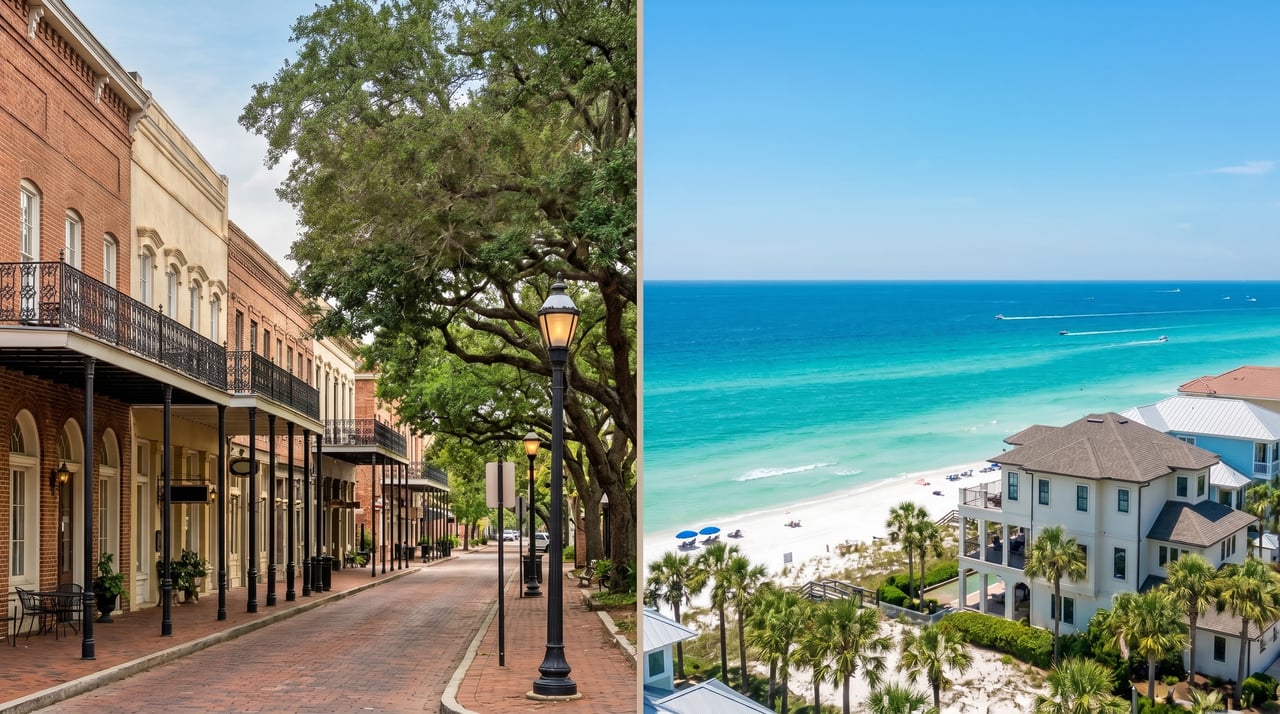
This is where the neighborhood gets interesting, because downtown Pensacola isn't a uniform condo market. It's a stack of very different construction eras occupying the same few blocks around Palafox Street.
| Building | Built | Height | Where it sits under the 2026 rules |
|---|---|---|---|
| Carlton Palms | 1973 | 4 stories | Well past both triggers. Full SIRS and mandatory reserve funding apply now, and the building has been eligible for a milestone inspection for years. |
| Port Royal (tower) | 1984 | 7 stories | Same exposure as Carlton Palms, with added weight because it sits on the water at the tip of the Palafox peninsula. |
| Brent Lofts, inside the historic Brent Building | 1906, converted to condos in recent years | 3 stories | Old by any measure, but the building underwent a full historic rehabilitation including exterior envelope work before the condo conversion. |
| Tristan Residences | New construction | 5 stories | SIRS is required regardless of age, but no milestone inspection is due for decades. |
| Admirals Row | New construction | Multi-story | Same reserve-funding obligation from day one, with the milestone clock not starting for a generation. |
Two buyers can walk into two condos a five-minute walk apart and be looking at completely different risk timelines, even if the monthly HOA fee on paper looks similar today. That gap is the entire point of this piece.
The Rehab That Changes the Math
The Brent Lofts deserve their own paragraph because they break the simple "old equals risky" assumption. The Brent Building itself dates to 1906, part of downtown's rebuild after the Halloween Night Fire, and it's marketed as solid concrete and steel construction, once billed as Florida's first hurricane-proof building. That's a real structural advantage over a lot of mid-century concrete that wasn't built to the same standard.
But the building's age isn't what a buyer should check first. The historic rehabilitation that created the Brent Lofts restored the full exterior envelope and reorganized the interior around a four-story skylit stairwell before the residential floors were converted into condo units. That kind of ground-up structural work can genuinely reduce the odds of a milestone inspection turning up expensive surprises, because a lot of what an engineer would be checking for was already addressed during the rehab.
What it doesn't do is exempt the association from the paperwork. A newly converted condo association still needs its own SIRS on file and still needs to confirm where the building stands on milestone inspection timing, because the clock runs on the physical structure's age, not on how recently the units started selling as condos. A buyer touring a Brent Lofts unit should ask the same two questions they'd ask at Carlton Palms. The likely answers may be more reassuring, but the questions don't change.
What to Request Before You Write an Offer
LegalClarity explains that Florida law already requires sellers to disclose the association's most recent milestone inspection summary and SIRS status before closing, on both developer and resale transactions. The smarter move is asking for these documents before you write the offer, not after you're already under contract with a clock running.
Here's the request list that actually matters in a downtown Pensacola condo search:
- The full Structural Integrity Reserve Study, including the percent-funded figure for each component, not just the summary page
- The most recent milestone inspection report, if the building has reached the age where one is required
- Two years of association budgets and financial statements, so you can compare what was actually collected against what the SIRS says should have been collected
- A written history of special assessments over the past five years, both levied and pending
- Current insurance renewal terms, since carriers are increasingly pricing policies around a building's inspection and reserve status
If an association can't produce the SIRS or the milestone report on request, follow up on its availability. Under current Florida condo law, these documents are part of the association's official record and are required to be available to prospective purchasers. If a document isn't immediately available, ask when you can expect to receive it.
The One Number That Matters More Than the Monthly Fee
Every SIRS produces a percent-funded figure, and it's the single most useful number in the whole packet. As a general industry benchmark, a reserve fund at 70 percent or higher of what the study says it needs is considered strong, with low risk of a near-term special assessment. From 30 percent to below 70 percent, expect measured dues increases rather than a shock bill. Below 30 percent, a major assessment is likely coming, and the only question is timing.
This is the number that actually explains the price gap between a $79,900 Carlton Palms studio and a $985,000 Tristan Residences unit, more than square footage or finishes ever could. A low list price on a decades-old building can be masking years of underfunded reserves that the current law no longer lets an association paper over. A higher price on new construction may simply reflect a building starting its reserve funding clean, with no deferred maintenance to catch up on.
None of this means older is bad or new is automatically safe. Port Royal has been maintained and upgraded continuously since 1984 by residents who clearly value the building, and a well-run association at any age can be funded exactly where it needs to be. What it means is that the number on the SIRS tells you something the price tag never will, and in a downtown market where a century of construction eras sits within walking distance of each other, that number is worth requesting before anything else.
If you're comparing units across downtown Pensacola's older towers, historic conversions, and new builds, and you want someone who can help you read a SIRS report and a milestone inspection summary before you're locked into a contract, Avenue Realty works this market every day. Schedule a Free Home Consultation and bring your list of buildings. We'll help you sort out which ones are carrying real exposure and which ones just look that way on paper.
A Few Questions Worth Settling Early
Does a brand new downtown Pensacola condo still need a Structural Integrity Reserve Study? Yes. The SIRS requirement is based on building height, three habitable stories or more, not age. A condo finished this year still needs one on file.
How is a milestone inspection different from a SIRS? The milestone inspection is a physical, engineer-led assessment of the building's structural condition, required once a building reaches the age set by law. The SIRS is the financial planning document that determines how much the association needs to be saving for future repairs. Older buildings carry both obligations. Newer buildings carry only the SIRS for now.
Can I ask for these documents before making an offer, or only after I'm under contract? You can and should ask before you write the offer. Florida law requires these documents to be part of the association's official record and available to prospective purchasers, so there's no reason to wait until you're inside a contingency period to find out what you're buying into.
This article is general information, not legal, tax or financial advice. Consult a qualified professional about your situation.