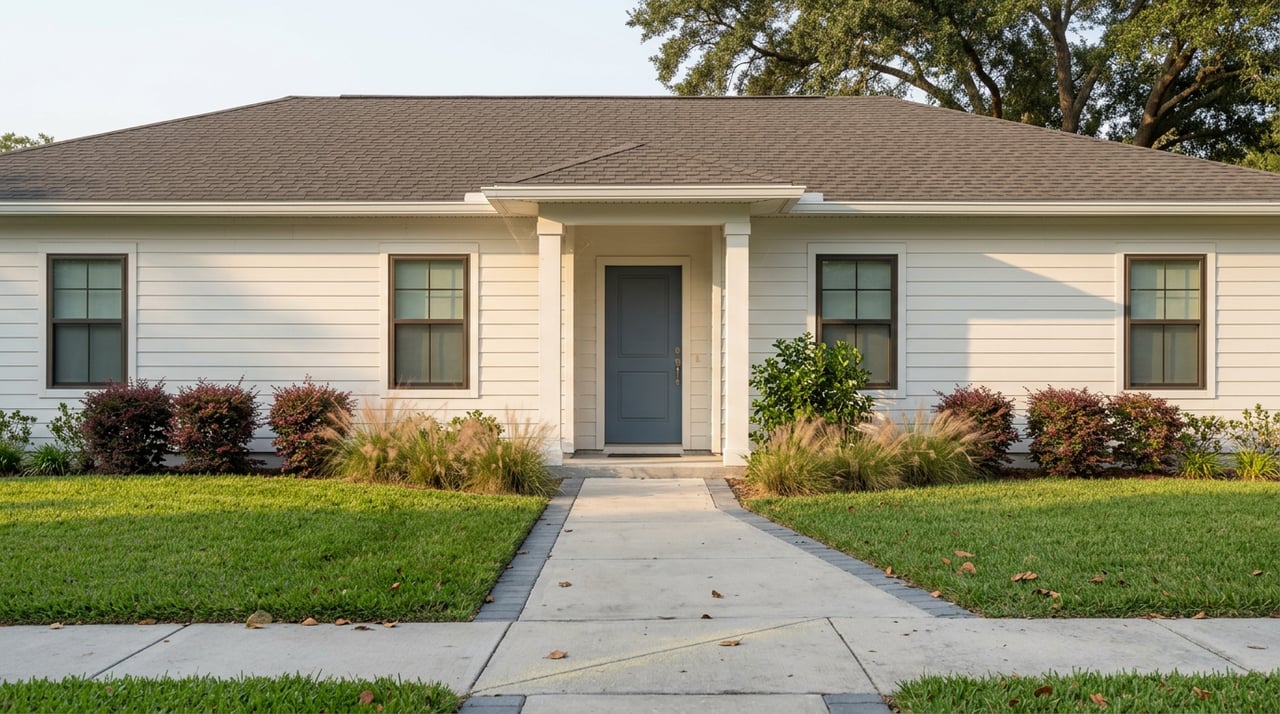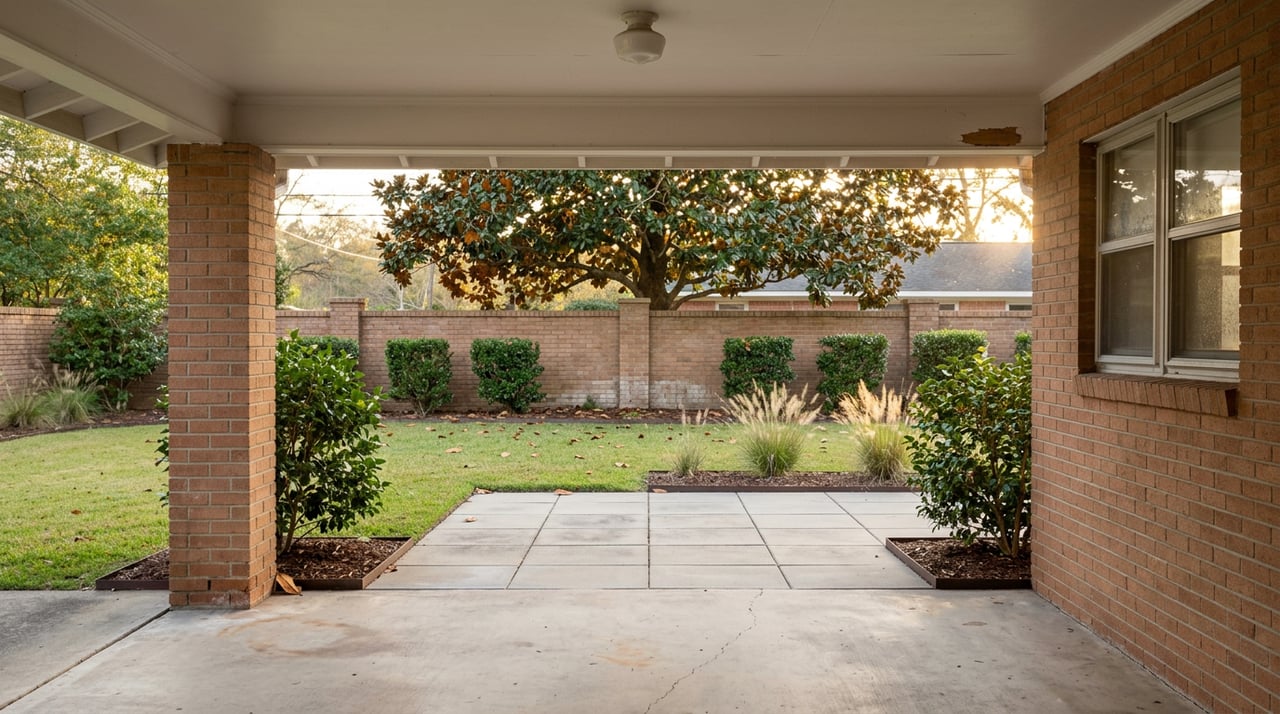
Say a homeowner in Scenic Heights gets an accepted offer this fall on a brick ranch that has been in the family since it was built. The seller braces for the roof to be the sticking point. Florida's insurance headlines have trained everyone to expect that fight. But when the buyer's 4-point inspection comes back, the roof passes clean. The flag is on the electrical panel, and the reason has nothing to do with maintenance. It has to do with the year the house was wired.
That distinction matters more in Scenic Heights than almost anywhere else in Pensacola, because the neighborhood's housing stock sits inside a very specific window. The three and four-bedroom brick ranches on quarter-acre lots off Spanish Trail Road and Langley Avenue were built almost entirely in the 1960s and 1970s. That is not a random detail. It is the exact stretch of years when a huge share of American homes, this neighborhood included, were wired with a material that insurers now treat very differently than a roof.
What a 4-Point Inspection Actually Checks
A 4-point inspection is not a home inspection. It is a narrower, insurance-specific review of four systems: roof, electrical, plumbing, and HVAC. A licensed inspector spends 30 to 60 minutes documenting the age, material, and condition of each, and the report goes straight to the underwriter, who decides whether to bind coverage, require repairs first, or decline. Standalone, the inspection runs $75 to $150 in most Florida markets, and ordering it alongside a wind mitigation inspection at the same visit usually costs less than booking the two separately.
The report is not a pass or fail in the way a lot of sellers imagine. A flagged system typically means a repair requirement before the carrier will bind coverage, not an automatic decline. That distinction is the difference between a delayed closing and a dead deal.
Why 2026 Feels Different From 2023
The panic that shaped Florida real estate conversations a few years ago was real. Citizens Property Insurance, the state-backed insurer of last resort, hit a policy count of 1.42 million in October 2023, an all-time high that reflected just how many homeowners private carriers had walked away from. By late December 2025, Citizens had fallen to fewer than 400,000 policies, a decline state officials attribute to a depopulation program that shifted policies back to private carriers and to 2022 legislation that reduced insurers' litigation exposure.
That shift shows up directly in how carriers treat roofs. The hard 20-year cutoff that used to apply almost everywhere has loosened. Some carriers now push their 4-point threshold back to 25 or 30 years, and a growing number will write an older roof under an actual cash value endorsement instead of declining it outright.
Here is the part that gets missed. That loosening is specific to roofs. Nothing in the current underwriting guidance suggests carriers have softened their stance on the two hazards that show up most in mid-century housing stock: outdated electrical panels and aluminum branch wiring. A 1968 ranch with a newer roof and original wiring is not automatically in better shape than it was in 2023. It is only in better shape on one of the four systems that matter.
| System | Common Failure Point | 2026 Underwriting Trend | Scenic Heights Relevance |
|---|---|---|---|
| Roof | Shingle roofs over 15-20 years | Thresholds pushed to 25-30 years, ACV options more available | Depends entirely on last reroof date |
| Electrical | Aluminum wiring, Federal Pacific or Zinsco panels | No comparable easing reported | High, build years fall inside the aluminum wiring era |
| Plumbing | Galvanized pipe over 50 years, polybutylene | Carrier-dependent, still a common red flag | Moderate, varies by exact construction year |
| HVAC | Systems over 20-25 years | Unchanged | Depends on replacement history, not neighborhood-specific |
The System Most Scenic Heights Sellers Underestimate
Aluminum wiring became common in home construction in the mid-1960s because copper prices spiked and builders needed a cheaper alternative. By the 1970s, the problems were already showing up. Aluminum is a softer metal than copper, so the wiring loosens at connection points every time it heats and cools, and the resulting corrosion is not electrically conductive the way copper corrosion is, which raises the risk of overheating at outlets and switches.
That is the material sitting behind the walls of a meaningful share of Scenic Heights homes right now, because the neighborhood was built almost entirely during the years that material was standard practice. Unlike an aging roof, which a homeowner can point to a replacement date and a warranty for, aluminum wiring without documented remediation is treated as a serious liability. The plain language from insurance underwriters is blunt: without remediation, a home with aluminum wiring is probably uninsurable, though carriers that accept repaired aluminum wiring will look for proof the repair happened.
That is the mismatch worth sitting with. The market got easier on the exact feature that gets photographed for listing marketing, the roofline, and stayed just as strict on the feature no one can see from the street.
Getting Ahead of It Before a Buyer's Inspector Does
The practical move for a Scenic Heights seller is to order a 4-point and wind mitigation inspection before listing, not after an offer comes in. If a prior owner or contractor already addressed the wiring, panel, or plumbing, pull the permits and receipts now. Inspectors give credit for documented work, and a report showing an upgraded panel with a permit number carries more weight with an underwriter than a verbal assurance that "it was fixed a while back."
Timing matters too. Depending on the carrier, a 4-point report stays valid anywhere from one to five years, so a home that sits on the market for several months may need a fresh report by the time it closes. Building that into the listing timeline avoids a scramble during the final week of a contract.
None of this guarantees a clean report. What it does is convert a surprise mid-contract flag into a known cost that gets negotiated into the purchase agreement instead of a five-day trigger to lose the buyer entirely.
Who's Actually Doing These Inspections in Pensacola
This is not abstract advice. POMI Services lists Scenic Heights by name among the neighborhoods it inspects regularly, alongside East Hill, Cordova Park, and Belvedere Park. Homestead Inspections covers 4-point and wind mitigation work across Escambia and Santa Rosa counties. BPG Inspections has been doing insurance inspections in Florida since 2002 and uses the approved Citizens form directly. Gulf State Home Inspections is InterNACHI certified and works throughout the Pensacola area. Any of these can bundle a 4-point with a wind mitigation inspection in a single visit, which is worth asking about upfront since it typically costs less than booking them apart.
A Few Questions Worth Settling Early
Does a new roof offset old wiring on the report? No. Each of the four systems is evaluated on its own. A roof replaced last year does nothing to change how an underwriter views an original aluminum wiring system.
Is aluminum wiring an automatic decline? Not necessarily. Carriers that accept repaired aluminum wiring exist, but they want documentation of the remediation, not just a verbal assurance that an electrician looked at it once.
How old does a Scenic Heights home have to be before a 4-point is required? At this point, almost every home in the neighborhood is already past the threshold, whether a given carrier's cutoff sits at 20, 25, or 30 years. The real question for a seller is not whether an inspection gets triggered but which of the four systems ends up on the report.
A brick ranch in Scenic Heights is a genuinely good asset, solid bones, real lot size, a build quality that has held up for fifty years and counting. Getting it through underwriting in 2026 just means knowing which of its systems the market has gotten easier on and which one it hasn't. If you're weighing a sale in the neighborhood and want a straight read on what your specific home is likely to face, Avenue Realty can walk through it with you before a buyer's inspector does it for you. Schedule a free home consultation and get ahead of the report instead of reacting to it.