4,318 people live in Pensacola Beach, where the median age is 58 and the average individual income is $83,621. Data provided by the U.S. Census Bureau.
Total Population
Median Age
Population Density Population Density This is the number of people per square mile in a neighborhood.
Average individual Income
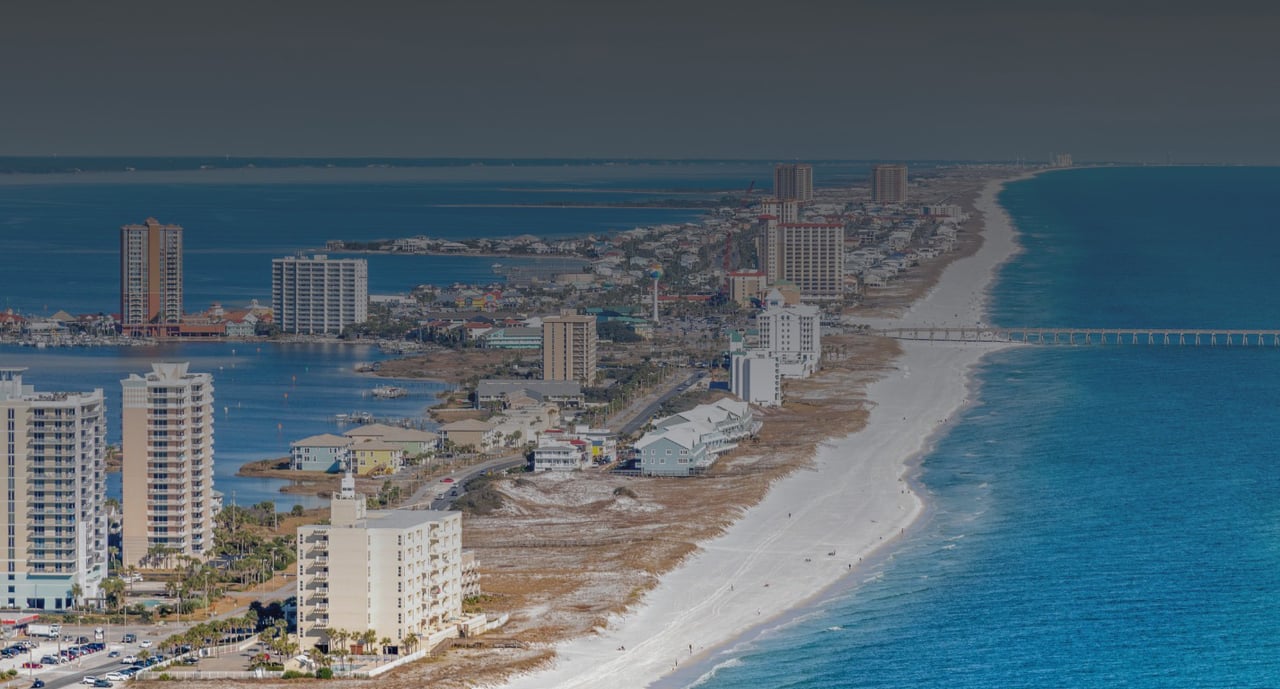
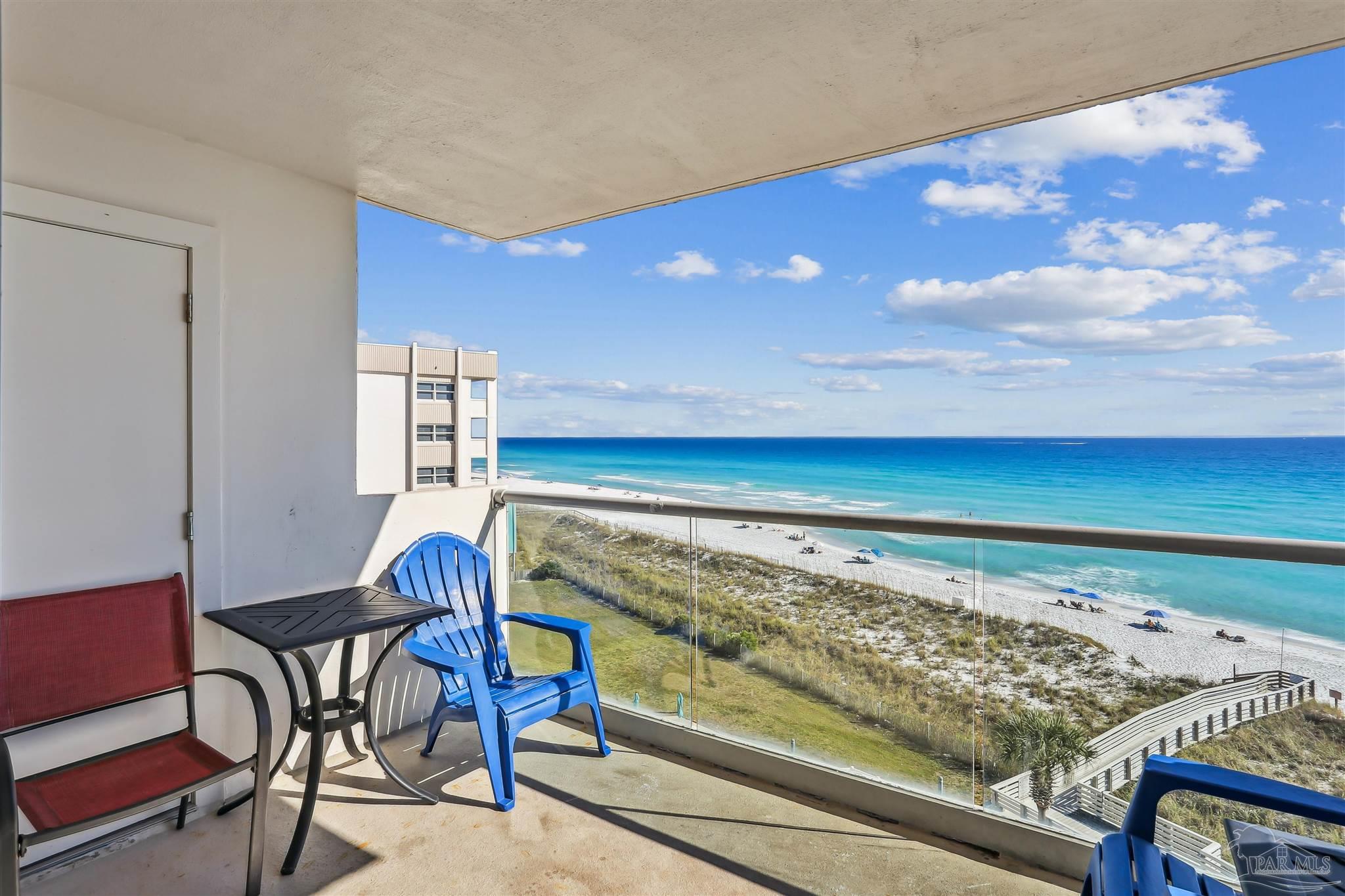
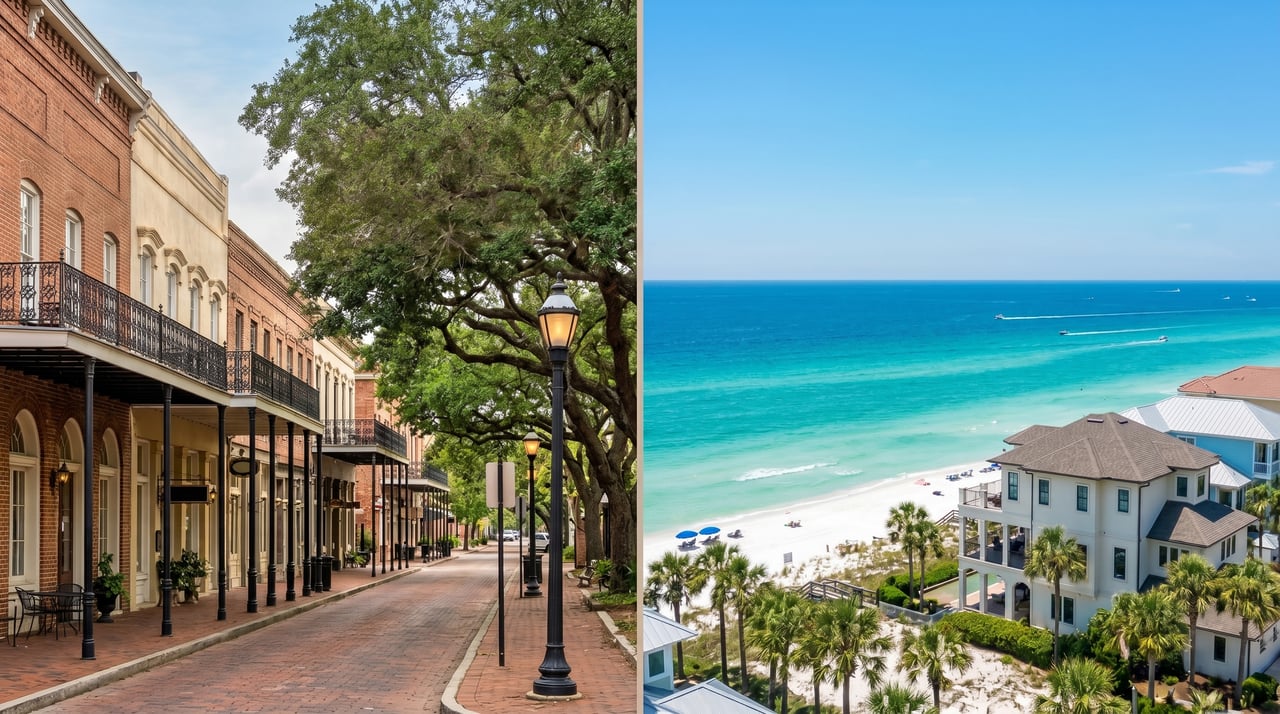
Pensacola Beach is a barrier island community where everyday life runs on two bodies of water. On one side, the Gulf of Mexico brings sugar-white quartz sand and emerald water. On the other, Santa Rosa Sound offers calm, shallow water for paddleboarding, boating, and private docks. The island is often only a few blocks wide, so most residents live within a short walk of both.
The pace changes with the seasons. Summer brings a resort energy, with crowded boardwalks, live music, and heavy bridge traffic on weekends. From fall through spring, the island quiets down and feels like the small residential community it is year-round.
Before you buy here, know three things that set Pensacola Beach apart from almost any other Florida coastal market:
Buyers who plan for these factors tend to love island life. Buyers who don't sometimes get surprised at closing or during their first hurricane season.
Santa Rosa Island is a roughly 40-mile barrier island in the Florida Panhandle. It separates Pensacola Bay and Santa Rosa Sound from the open Gulf. Pensacola Beach is the developed community toward the island's western end, in Escambia County.
The community is bordered on both sides by protected land. To the west, the Fort Pickens area of Gulf Islands National Seashore covers the island's tip. To the east, another undeveloped stretch of the National Seashore runs toward Navarre Beach. Because of these protected boundaries, Pensacola Beach can't sprawl. The supply of homes is limited, and that helps support long-term values.
Most commercial activity is centered where Pensacola Beach Boulevard meets the Gulf, around Casino Beach and the Pensacola Beach Gulf Pier. From there, Fort Pickens Road runs west and Via de Luna Drive runs east. Most homes and condos line these two roads.
To get here from downtown Pensacola, you cross the Pensacola Bay Bridge (US-98) into Gulf Breeze. From Gulf Breeze, you take the Bob Sikes Bridge south onto the island.
Pensacola Beach works as its own micro-market, separate from mainland Pensacola. Mainland median values are generally in the low-to-mid $300,000s. Island properties start at roughly $600,000 for mid-tier condos and go into the multi-millions for Gulf-front and deepwater estates.
Our own recent island closings fall within that range:
Property | Details | Sold Price |
|---|---|---|
1 Portofino Dr #505 | 2 bd / 3 ba, 1,333 sq ft | $875,725 |
1600 Via Deluna Dr #608-B | 3 bd / 3 ba, 1,590 sq ft | $875,000 |
22 Via Deluna Dr #1202 | 2 bd / 2 ba, 1,135 sq ft | $767,000 |
100 Ft Pickens Rd #201 | 2 bd / 2 ba, 1,152 sq ft | $680,000 |
Price is only part of the cost. When we help clients compare properties, we look at four numbers together: the purchase price, the annual SRIA lease fee, HOA dues, and insurance. Two condos with the same list price can have very different monthly costs. That difference depends on how each association handles insurance and reserves.
Rental rules matter just as much for investors. Many high-density condo buildings allow daily or weekly short-term rentals. Some single-family residential districts require minimum lease lengths. If rental income is part of your plan, confirm the zoning and association rules before you make an offer.
Condominiums make up the largest share of inventory. Options include mid-rise buildings and full-service resort towers such as Portofino Island Resort, Beach Club, and Sabine Yacht & Racquet Club. Condos suit second-home buyers, investors, and anyone who wants low-maintenance living. HOA dues are higher, but they usually cover exterior maintenance, amenities, and the building's master insurance policies.
Townhomes sit between condos and single-family homes. Most are multi-level with a private garage on the ground floor. That garage is more useful than it sounds on an island, since it's where kayaks, paddleboards, fishing gear, and golf carts end up. HOA fees are typically lower than in high-rise condos.
Single-family homes are mostly elevated homes on pilings, built to meet modern wind and storm surge standards. The ground level is typically used for parking and outdoor living. Top prices go to Gulf-front homes and to Sound-front or Little Sabine Bay homes with private docks and boat lifts.
Condos | Townhomes | Single-Family | |
|---|---|---|---|
Typical price range | $450K – $2.5M+ | $550K – $1.2M | $850K – $4M+ |
HOA fees | High (often includes insurance and amenities) | Moderate | Minimal to none |
Insurance | Master policy via HOA, plus your own HO-6 walls-in policy | Varies by association | Owner carries hazard, wind, and flood |
Short-term rental potential | High in designated rental buildings | Moderate | Often restricted |
Outdoor space | Balconies and shared amenities | Decks and small patios | Private yards, pools, docks |
Leasehold ownership confuses more first-time island buyers than anything else, so here is how it works.
In most of Florida, you buy a home and the land under it. This is called fee-simple ownership. On Pensacola Beach, the land belongs to Escambia County and is managed by the Santa Rosa Island Authority. You own the structure, whether that's a condo unit, townhome, or house. You also hold a long-term lease on the ground beneath it. Many leases run for decades and include renewal provisions.
Here is what that means in practice:
Our advice is to review the lease terms as carefully as you'd review the inspection report. Check the remaining term, renewal language, and current fee before you're under contract, not after.
Because the island is so narrow, choosing a side isn't about distance. It's about lifestyle, how you'll use the water, and how much storm risk you're comfortable with.
Gulf-Front | Sound-Side | |
|---|---|---|
Water | Emerald surf, waves, open horizon | Calm, shallow, nearly wave-free |
Activities | Ocean swimming, beachcombing, surf fishing | Paddleboarding, kayaking, jet skis, wading |
Private docks | Not possible | Common on single-family lots |
Storm exposure | Direct wave energy, erosion, surge | More sheltered from waves, still exposed to flooding |
Pricing | Highest price per square foot | Premium for boat access, lower entry point for interior lots |
Gulf-front buyers are usually paying for the view and direct beach access. Sound-side buyers are usually boaters who want a private dock and calm water for kids and pets. If you want both, look at interior lots and buildings with access to both sides. They often offer the best value on the island.
The Central Core and Casino Beach area is the most walkable and resort-like part of the island. Here you'll find high-rise condos, vacation rentals, and boardwalk townhomes within walking distance of the Gulf Pier, Quietwater Beach Boardwalk, and most of the island's restaurants. This area works well for buyers who want to leave the car parked and for investors who need rental demand.
The West End along Fort Pickens Road is quieter and less dense. It has elevated single-family homes, mid-rise condos, and low-rise townhomes, with the National Seashore just past the last homes. Park West offers public access to both the Gulf and the Sound. Buyers drawn here usually care more about nature and privacy than nightlife.
The East End along Via de Luna Drive includes upscale residential areas, canal-front homes with deepwater docks, and resort communities like Portofino Island Resort. Park East provides public beach access. The dunes stay quieter here as the island stretches toward Navarre. Many full-time families and seasonal owners settle in this area.
Little Sabine Bay sits behind the central Gulf front and is the island's boating community. Single-family homes, duplexes, and low-rise condos here often have their own boat slips and lifts. The sheltered water offers protection from Gulf waves and quick access to Pensacola Bay and Santa Rosa Sound.
Casino Beach is the island's main public beach, with lifeguards, volleyball courts, and the 1,471-foot Pensacola Beach Gulf Pier. The pier is popular for fishing, especially at night. Quietwater Beach faces the Sound, and its shallow, calm water makes it a favorite for families with toddlers and for launching kayaks. Park West and Park East offer parking, pavilions, and restrooms on either side of the main strip. The island also has designated dog beaches on both the Gulf and Sound sides.
Year-round residents spend much of their free time on the Sound and in Little Sabine Bay. These waters are well suited for paddleboarding, kayaking, jet skiing, and spotting dolphins. Hikers can also start the Florida National Scenic Trail at Fort Pickens, which is the trail's western end.
The National Seashore offers the opposite of the resort core. It's managed by the National Park Service and protects undeveloped dunes, salt marshes, and coastal fortifications at the island's western tip.
Fort Pickens was completed in 1834 to defend Pensacola Harbor. It used more than 21 million bricks and was one of the few Southern forts that stayed under Union control throughout the Civil War. In the 1880s, the Apache leader Geronimo was held prisoner here. Visitors can walk through brick archways, gun casemates, and tunnels, along with concrete batteries added during the World Wars.
The park also has a Discovery Center, campground loops for RVs and tents, fishing piers, and a ferry connection to downtown Pensacola. Entry requires a National Park Service vehicle pass or an America the Beautiful pass. Many island residents buy the annual pass, which pays for itself if you visit regularly.
The island's dining and nightlife are concentrated in two walkable districts on either side of Pensacola Beach Boulevard. Each has a different feel.
Casino Beach is on the Gulf side and is the more energetic of the two. Casino Beach Bar & Grille and Crabs – We Got 'Em serve seafood with direct Gulf views. Live outdoor music, frozen drinks, surf shops, and swimwear boutiques round out the scene, along with night fishing off the pier.
Quietwater Beach Boardwalk is on the Sound side and is more relaxed. Flounder's Chowder House, Bamboo Willie's, and Shaggy's anchor the boardwalk. Open-air tiki bars and acoustic sets keep it lively in the evenings, and nearby boutiques, ice cream shops, jet ski rentals, and dolphin tour charters keep it busy during the day. It's also the best place to try the Bushwacker, the island's signature frozen rum drink.
The Pensacola Beach Air Show in July is the biggest event of the year. The Blue Angels are based at nearby Naval Air Station Pensacola, and they fly over the Gulf at Casino Beach. The event typically spans several days, with practice flights, a Friday rehearsal featuring civilian aerobatic acts, and the main show on Saturday. It draws more than 100,000 spectators. Locals anchor boats in the Sound or claim beach spots before sunrise to avoid gridlock on the Bob Sikes Bridge. For homeowners, a balcony with a Gulf view becomes very valuable that week.
Other events fill out the year:
Island families have a school setup that many buyers don't expect. Pensacola Beach Elementary (K–5) is a charter school on Via de Luna Drive, sponsored by Escambia County Public Schools. It gives enrollment preference to permanent beach residents, and many island kids walk, bike, or ride golf carts to school.
For grades 6–12, beach students have generally attended Gulf Breeze Middle School and Gulf Breeze High School. These schools are just across the Bob Sikes Bridge in Santa Rosa County, under an inter-district arrangement. Gulf Breeze High has a strong reputation for academics, athletics, and AP performance. Since school zoning and agreements can change, we recommend confirming current enrollment rules with both districts before you buy.
The Bob Sikes Bridge is the island's only road connection to Gulf Breeze. It uses all-electronic tolls with no cash lanes. The toll is charged when you drive onto the island, and leaving is free. SunPass, E-Pass, and Peach Pass transponders work automatically. Drivers without a transponder are billed by plate, which includes a monthly administrative fee.
For full-time residents, the most useful thing to know is that homestead-exempt island residents can buy a low-cost annual unlimited pass linked to their SunPass. Non-homestead owners can get passes at higher rates. Check the current pricing, since toll rates can change.
Pensacola International Airport (PNS) is about 16 to 20 miles away. The drive takes roughly 25 to 30 minutes normally and 45 minutes or more on peak summer weekends. PNS offers direct flights to Atlanta, Dallas, Charlotte, Chicago, Houston, and other major hubs, which makes the island practical for second-home owners flying in from out of state.
Buyers often overlook this section, but long-time owners know how much it matters. Hurricanes like Ivan in 2004 and Sally in 2020 showed what storm season can mean on a barrier island.
Flood zones. Most Gulf-front properties fall in Zone VE, which is subject to wave action from storm surge. Homes in this zone must be built on open pilings above base flood elevation, with breakaway walls at ground level. Interior and Sound-side lots are typically in Zone AE, where rising water is the main risk. Living areas must still be elevated above base flood elevation. New construction and major renovations must meet strict wind standards, including impact-rated glass or shutters, reinforced roof connections, and deep-driven pilings. In general, newer construction usually costs less to insure.
Hurricane preparedness. Pensacola Beach is in an evacuation zone that must leave first when a major storm approaches. Bridges close once winds reach roughly 35–45 mph or when surge floods the approaches. After a storm, access to the island is limited to residents, business owners, and repair crews, who need an Escambia County re-entry pass or ID showing a Pensacola Beach address. If you're a second-home owner, get your re-entry credentials before hurricane season starts.
Insurance. Island homeowners typically carry three policies:
Coverage | What It Covers | Where It Usually Comes From |
|---|---|---|
Hazard / homeowners | Fire, liability, interior damage | Standard carriers |
Windstorm | Hurricane and severe wind damage | Surplus lines carriers or Citizens Property Insurance |
Flood | Rising water and storm surge | NFIP or private flood carriers (required for mortgaged homes in VE and AE zones) |
Condo owners usually pay for the building's wind and flood coverage through HOA dues and only need their own HO-6 policy for the interior. We always recommend getting insurance quotes during your inspection period. On the island, insurance cost can be the factor that decides between two properties.
Buying on Pensacola Beach involves more than finding the right view. You need to understand SRIA leases, compare insurance and HOA costs, check rental rules, and know which side of the island fits your lifestyle. Avenue Realty is a Gulf Coast brokerage with agents licensed in Florida and Alabama. We've closed condos at Portofino, along Via de Luna, and on Fort Pickens Road, and we bring that local experience to every transaction. Whether you're looking for a full-time home near Pensacola Beach Elementary, a Sound-side house with a deepwater dock, or a rental-ready Gulf-front condo, our team can help you understand the full cost of ownership before you commit. Contact Avenue Realty to start your Pensacola Beach home search or to request a valuation of your island property.
There's plenty to do around Pensacola Beach, including shopping, dining, nightlife, parks, and more. Data provided by Walk Score and Yelp.
Explore popular things to do in the area, including Terracotta, Terazzo Grill, and Coastal.
| Name | Category | Distance | Reviews |
Ratings by
Yelp
|
|---|---|---|---|---|
| Dining | 0.15 miles | 2 reviews | 2.5/5 stars | |
| Dining | 0.15 miles | 0 reviews | 0/5 stars | |
| Dining · $$$ | 0.2 miles | 29 reviews | 4.1/5 stars | |
| Dining | 0.91 miles | 21 reviews | 4.7/5 stars | |
| Active | 2.11 miles | 0 reviews | 0/5 stars | |
| Active | 2.11 miles | 0 reviews | 0/5 stars | |
|
|
||||
|
|
||||
|
|
||||
|
|
||||
|
|
||||
|
|
Pensacola Beach has 2,178 households, with an average household size of 2. Data provided by the U.S. Census Bureau. Here’s what the people living in Pensacola Beach do for work — and how long it takes them to get there. Data provided by the U.S. Census Bureau. 4,318 people call Pensacola Beach home. The population density is 798 and the largest age group is Data provided by the U.S. Census Bureau.
Total Population
Population Density Population Density This is the number of people per square mile in a neighborhood.
Median Age
Men vs Women
Population by Age Group
0-9 Years
10-17 Years
18-24 Years
25-64 Years
65-74 Years
75+ Years
Education Level
Total Households
Average Household Size
Average individual Income
Households with Children
With Children:
Without Children:
Marital Status
Blue vs White Collar Workers
Blue Collar:
White Collar: