After a hurricane, homeowners may be left with questions about property damage, insurance, repairs, inspections, and what comes next.
For Pensacola homeowners, the most important first steps are to safely assess the property, document any damage, contact the appropriate insurance provider, and keep detailed records of repairs and expenses.
If you are planning to sell your home, buy a property, or are already under contract, storm-related damage may also affect inspections, insurance, disclosures, repairs, and closing timelines.
Here are some important things to keep in mind after a hurricane.
Check Your Home for Storm Damage
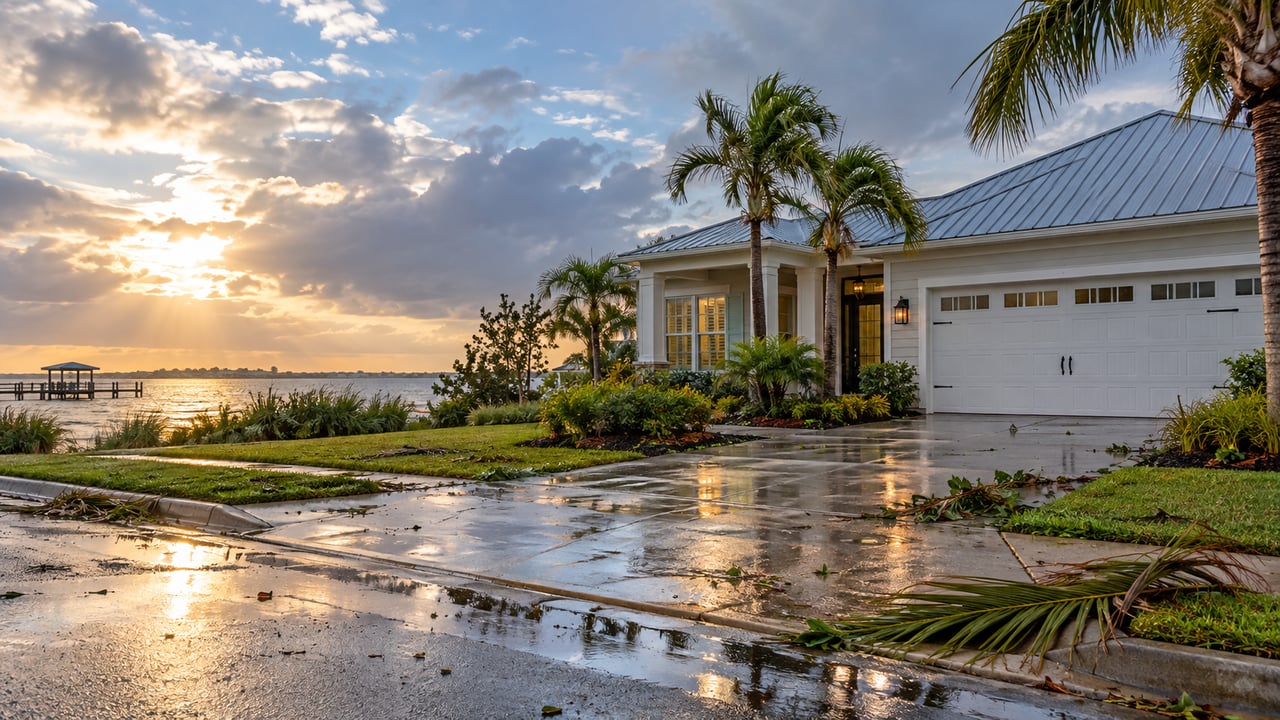
Once conditions are safe, walk around your property and look for visible signs of damage.
Pay attention to:
- Roof shingles, flashing, and gutters
- Windows and doors
- Siding and exterior walls
- Fences and outdoor structures
- Fallen trees or large branches
- Signs of water intrusion
- Ceiling or wall stains
- Electrical or structural concerns
Some damage may not be immediately visible. Roof leaks, moisture intrusion, and structural issues can sometimes become noticeable later.
If you suspect significant roofing, electrical, structural, or water damage, consider having the affected area evaluated by a qualified professional.
Document Damage Before Major Repairs
Before permanent repairs begin, take photos and videos of damaged areas whenever it is safe to do so.
The Florida Department of Financial Services recommends documenting storm damage and keeping records related to repairs and insurance claims.
Useful records may include:
- Photos and videos
- Repair estimates
- Contractor invoices
- Receipts
- Insurance correspondence
- Claim numbers
- Permits
- Inspection reports
- Warranties
These records may also be useful later if you decide to sell the property.
Contact Your Insurance Provider
Insurance coverage can vary depending on your policy and the cause of the damage.
Homeowners should contact their insurance provider as soon as possible after discovering storm-related damage and review their policy carefully.
It is also important to understand that wind damage and flood damage may be covered differently.
If you are unsure about what your policy covers, speak directly with your insurance provider or a licensed insurance professional.
Make Temporary Repairs When Necessary
Some damage may need immediate attention to prevent additional problems.
For example, temporary repairs may be necessary to stop water from entering the home or to secure a damaged area.
If temporary repairs are needed:
- Document the damage first
- Take photos of the repair
- Keep receipts
- Save contractor information
- Avoid permanent repairs until your insurance provider has given you appropriate guidance when necessary
The goal is to prevent further damage while keeping a clear record of what was done.
Be Careful When Hiring Contractors
Demand for roofing, tree removal, water remediation, and repair services often increases after a major storm.
Before agreeing to significant work:
- Verify licensing when applicable
- Request written estimates
- Understand the scope of work
- Keep copies of contracts
- Save invoices and receipts
- Avoid signing documents you do not fully understand
Keeping clear records can help with both insurance claims and future real estate transactions.
Storm Damage May Matter When Selling Your Home
If you plan to sell your Pensacola home after a hurricane, known storm damage and completed repairs may become important during the transaction.
Florida sellers generally have a responsibility to disclose known facts that materially affect the value of residential property when those facts are not readily observable and are not already known to the buyer.
That makes good recordkeeping especially important.
Consider keeping documentation such as:
- Contractor invoices
- Permits
- Inspection reports
- Insurance records
- Before-and-after photos
- Warranties
For questions about a specific disclosure situation, homeowners should speak with their real estate professional and, when appropriate, a qualified attorney.
Buyers May Pay More Attention to Property Condition
After a hurricane, buyers may naturally ask more questions about the condition of a home.
Common areas of concern may include:
- Roof condition
- Water intrusion
- Windows and doors
- Drainage
- Electrical systems
- Previous storm damage
- Completed repairs
- Flood history
- Insurance availability
For sellers, having organized repair and property records can make it easier to answer questions accurately.
For buyers, a professional inspection can be especially important when evaluating a property that may have been affected by severe weather.
Flood Damage and Wind Damage Are Different
One of the most important things homeowners should understand after a hurricane is that flood damage and wind damage are not necessarily treated the same way by insurance.
A standard homeowners insurance policy may not provide the same coverage as a separate flood insurance policy.
If water entered your property, the source of the water may affect how a claim is handled.
Document the damage carefully and speak with your insurance provider about your specific situation.
A Hurricane Can Affect an Active Real Estate Transaction
A storm can affect more than the physical condition of a property.
An active real estate transaction may also be affected by:
- Inspections
- Appraisals
- Insurance requirements
- Lender requirements
- Repairs
- Property access
- Closing schedules
If a home is already under contract and was affected by a hurricane, buyers and sellers should communicate with their real estate agent, lender, insurance provider, and closing professional.
The impact will depend on the property, the contract, and the circumstances of the transaction.
Keep Your Storm Records After Repairs Are Complete
Once repairs are finished, keep your records.
A simple property file can be useful later for insurance, refinancing, or selling your home.
Consider saving:
- Insurance claim documents
- Contractor invoices
- Permits
- Inspection reports
- Warranties
- Receipts
- Photos of damage
- Photos of completed repairs
Good documentation can make future questions much easier to answer.
What Does a Hurricane Mean for the Pensacola Real Estate Market?
The effect of a hurricane on real estate can vary significantly by property, neighborhood, and the extent of local damage.
In the short term, storms may affect:
- Showings
- Inspections
- Appraisals
- Insurance
- Repairs
- Closing schedules
- Buyer and seller decisions
For an individual homeowner, the condition of the property and the quality of the documentation may matter more than broad market predictions.
It is best to evaluate each property individually rather than assume the entire Pensacola market will react the same way.
Should You Sell a Pensacola Home After a Hurricane?
There is no single answer.
The right decision depends on factors such as:
- The condition of your home
- Whether repairs are needed
- Your timeline
- Insurance considerations
- Local market conditions
- Your financial and personal goals
Before making expensive improvements or rushing to list, it may be helpful to first understand which repairs are necessary and how your home compares with similar properties in your area.
What Should Pensacola Homeowners Do After a Hurricane?
If you are unsure where to start, focus on these steps:
- Inspect the property once conditions are safe.
- Photograph and document damage.
- Contact your insurance provider if necessary.
- Take reasonable steps to prevent further damage.
- Keep receipts and repair records.
- Use qualified professionals for significant repairs.
- Keep all storm-related documentation.
- If you are buying, selling, or under contract, speak with the professionals involved in your transaction.
Thinking About Selling Your Pensacola Home After a Hurricane?
If your property was affected by a storm and you are considering selling, you do not have to make every decision immediately.
Start by understanding the condition of the home, documenting any repairs, and learning how your property fits into the current Pensacola real estate market.
Avenue Realty can help homeowners evaluate their property, understand local market conditions, and determine what steps may make sense before listing.
Connect with Avenue Realty to discuss your real estate goals in Pensacola or along Florida’s Gulf Coast.
Frequently Asked Questions
What should I do first if my home is damaged after a hurricane?
Once it is safe, document any damage with photos and video, contact your insurance provider, take reasonable steps to prevent further damage, and keep records of repairs and expenses.
Do I have to disclose hurricane damage when selling a home in Florida?
Florida sellers generally must disclose known facts that materially affect the value of residential property when those facts are not readily observable and are not already known to the buyer. Specific situations can vary, so sellers should speak with their real estate professional or legal counsel.
Can I sell my house after hurricane damage?
Yes, depending on the condition of the property and the circumstances. Repairs, insurance, financing, inspections, and disclosure requirements may all affect the process.
Should I repair hurricane damage before listing my home?
It depends on the type and extent of the damage. Some repairs may be necessary for safety, insurance, financing, or buyer confidence, while other improvements may not make financial sense.
Can a hurricane delay a home closing?
Yes. Property damage, inspections, insurance availability, appraisals, lender requirements, and repairs may all affect a closing timeline.
Does homeowners insurance cover flood damage from a hurricane?
Not necessarily. Homeowners insurance and flood insurance are different forms of coverage. Homeowners should review their policies and speak with their insurance provider about their specific coverage.
Where can Pensacola homeowners find official hurricane information?
Useful sources include the National Hurricane Center, National Weather Service Mobile/Pensacola, Florida Division of Emergency Management, and Escambia County Emergency Management.